-
How Bad are Artificial Turf Lawns?

Artificial grass (or astroturf) lawns, also known as synthetic or artificial grass, have become a popular alternative to natural grass for homeowners, businesses, and sports facilities. While these lawns offer benefits such as reduced maintenance and consistent appearance, they pose significant environmental challenges. In this blog post, we’ll explore the environmental downsides of artificial lawns and why natural grass (or even better native plants entirely) remains the greener choice.
Plastic Production and Waste
Artificial turf is made from plastic materials like polyethylene, polypropylene, and nylon. The production of these materials involves significant fossil fuel consumption, contributing to greenhouse gas emissions. Additionally, the lifespan of synthetic turf ranges from 8 to 15 years, after which it typically ends up in landfills. The decomposition process of plastic can take hundreds of years, leading to long-term environmental pollution.
Microplastic Pollution
One of the most concerning aspects of Artificial turf is the release of microplastics. As the synthetic grass wears down, tiny plastic particles break off and can be washed into local waterways, contributing to the growing issue of microplastic pollution. These particles can have harmful effects on marine life and ecosystems, as well as potentially entering the human food chain.
One study says clearly that “microplastics can enter the human body via dermal contact, inhalation, and food intake and pose a significant threat to human health.” Turning your yard into plastic particle fields seems an easy way to ensure you and your family consume even more microplastics.

Heat Island Effect
Artificial turf lawns can exacerbate the urban heat island effect. Unlike natural grass, synthetic turf does not have cooling properties and can become extremely hot in direct sunlight, sometimes reaching temperatures as high as 170°F (77°C). This contributes to higher local temperatures, increasing the demand for air conditioning and thereby boosting energy consumption and greenhouse gas emissions.
This aspect of these faux lawns is one of the most concerning. With heat increasingly becoming an issue for many communities, creating plastic heat islands in front and back of every house will only exacerbate the problem and drive temperatures up in places where it should be coming down.
Read: The Impact of Climate Change on Planting Zones: A Look Ahead to 2050
Loss of Biodiversity
Natural grass lawns support a variety of organisms, from insects to birds, creating a balanced ecosystem. In contrast, Artificial grass provides no habitat or food source for wildlife, leading to a loss of biodiversity. Pollinators, which are crucial for many plant species and crops, are particularly affected by the lack of natural habitats in areas dominated by synthetic grass.
This is a really big impact as spaces with native plants and habitats are dwindling. With the loss of such spaces, bugs, birds and bigger mammals have less and less habitat to exist in.
Water Runoff and Pollution
While artificial turf does not require watering, it can negatively impact water quality. Unlike natural grass, which absorbs rainwater and helps to filter pollutants, artificial lawns can increase surface runoff. This runoff can carry pollutants, such as chemicals used to clean and maintain the turf, into local water bodies, potentially harming aquatic ecosystems.
Read: Harvesting the Rain
This problem will only get worse as the soils below the fake lawn bake and harden into hydrophobic baked clay.
Chemical Use
Maintaining synthetic turf often requires the use of chemicals to keep it clean and free from bacteria and mold. These chemicals can be harmful to both human health and the environment. Additionally, the production of these cleaning agents further contributes to chemical pollution and resource depletion.
It’s becoming such a problem that California is moving to restrict synthetic turf lawns over health concerns.
Choosing a Greener Alternative
While the convenience of artificial turf lawns is appealing, the environmental costs are significant. By choosing natural grass or other eco-friendly landscaping options, we can help preserve biodiversity, reduce pollution, and combat climate change. Sustainable practices such as planting native species, reducing lawn size, and incorporating xeriscaping can provide beautiful, low-maintenance, and environmentally friendly alternatives to synthetic grass.
As awareness of environmental issues continues to grow, making informed choices about our outdoor spaces becomes increasingly important. Let’s strive to create landscapes that benefit not only our homes but also the planet we all share.
-
The Impact of Climate Change on Planting Zones: A Look Ahead to 2050
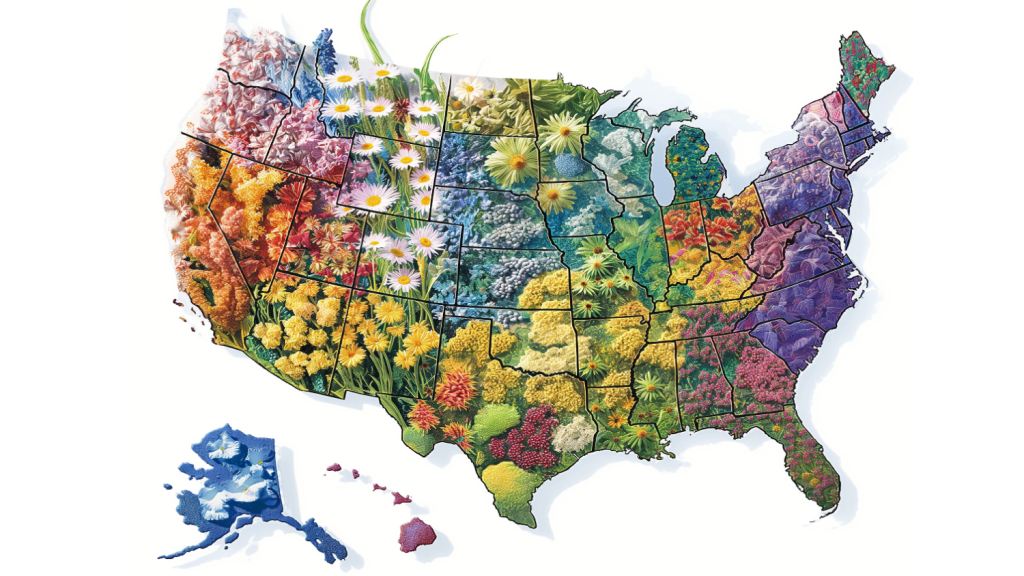
As climate change continues to reshape our world, one of the more immediate and visible impacts is on planting zones. These zones, defined by the United States Department of Agriculture (USDA) and used by gardeners and farmers to determine what plants are most likely to thrive in a given location, are shifting due to rising global temperatures and changing precipitation patterns. Understanding how and why these changes are happening, and how fast they are expected to occur, is crucial for agriculture, horticulture, and the broader ecological balance.
Read: Southern California Planting Zones
What Are Planting Zones?
Planting zones, also known as hardiness zones, are geographic areas defined by their climatic conditions, particularly the average annual minimum winter temperature. In the U.S., the USDA Plant Hardiness Zone Map is a standard by which gardeners and growers can determine which plants are most likely to survive and thrive at a location.

How Climate Change Is Shifting Planting Zones
Climate change is causing significant shifts in planting zones due to the following factors:
- Rising Temperatures: Average global temperatures have increased by about 1.2°C (2.2°F) since pre-industrial times. This warming trend means that areas are experiencing milder winters, which allows for plants typically suited for warmer zones to survive further north.
Read: How Bad are Artificial Turf Lawns?
- Changing Precipitation Patterns: Changes in rainfall patterns are altering soil moisture and water availability, critical factors for plant growth. Some regions are experiencing more intense rainfall, while others face prolonged droughts, both of which affect the types of plants that can be successfully cultivated.
- Extended Growing Seasons: Warmer temperatures are leading to longer growing seasons. This can be beneficial for certain crops but also poses challenges such as increased pest and disease pressures, which were previously mitigated by colder winters.
- Extreme Weather Events: The increase in frequency and severity of extreme weather events like heatwaves, frosts, and storms can disrupt planting schedules and crop yields, making it difficult to rely on historical planting zone data.
How Fast Are Planting Zones Changing?
The pace at which planting zones are changing is remarkable. According to the National Oceanic and Atmospheric Administration (NOAA), the average temperature in the contiguous United States has increased by approximately 0.14°F per decade since the early 20th century, with more pronounced warming in recent decades. This warming translates into a northward shift of planting zones. Some studies suggest that planting zones could shift northward by approximately 13 miles per decade.
Read: Starting a Native Plant Garden in Southern California Hardiness Zone 10
By 2050, if current trends continue, many regions could see their planting zones shift by a full zone or more. For example, areas currently in Zone 5 could resemble what is now Zone 6 or even Zone 7. This would dramatically alter the types of plants that can be grown in these areas.
Implications for Gardeners and Farmers
Adaptation Strategies: Gardeners and farmers will need to adapt by selecting plant varieties better suited to the changing climate. This may involve experimenting with new crops and cultivars that are more resilient to heat and drought.
Investment in Research: Continued investment in agricultural research is crucial. Developing new plant varieties that can withstand the changing climate and providing guidance to growers on best practices will be essential.
Sustainable Practices: Emphasizing sustainable farming practices, such as water conservation, soil health management, and integrated pest management, can help mitigate some of the adverse effects of climate change.
Awareness and Education: Educating the public and the agricultural community about the impacts of climate change on planting zones is essential for preparing and adapting to these changes.
Read: Southern California Planting Zones
Looking Forward to 2050
As we approach 2050, the shift in planting zones will be one of the many indicators of our changing climate. The adaptation required will be significant but not insurmountable. By understanding the science behind these changes and preparing accordingly, we can ensure that our gardens, farms, and ecosystems remain productive and resilient in the face of a changing climate.
The urgency of addressing climate change cannot be overstated, as the impacts on agriculture and biodiversity are profound. Proactive measures today will shape a sustainable and adaptable future for generations to come.
- Rising Temperatures: Average global temperatures have increased by about 1.2°C (2.2°F) since pre-industrial times. This warming trend means that areas are experiencing milder winters, which allows for plants typically suited for warmer zones to survive further north.
-
Best Hiking Shoes for Wide Feet with Plantar Fasciitis

First let me say this isn’t a sponsored post.
Finding the perfect pair of shoes for hiking, walking, or everyday wear was daunting. Especially for my wide size 14 feet dealing with plantar fasciitis. However, Keen Targhee III shoes were an instant hit for my outdoor adventures. With their sturdy construction and innovative features like the instep shank, these shoes offered both comfort and support, making them an ideal choice for conquering trails and navigating city streets with ease.
They’re so good, I just ordered my third pair to replace my original hikers.

Read: Restoring the Sepulveda Basin Wildlife Reserve
Sturdy Construction
One of the standout features of Keen Targhee III shoes is their sturdy construction. Designed to withstand the rigors of the outdoors, these shoes are built to last. The durable leather and synthetic upper provides ample protection against rocks, roots, and other obstacles you may encounter on the trail, while the KEEN.ALL-TERRAIN rubber outsole offers superior traction on a variety of surfaces, ensuring you stay stable and secure with every step.
It was this sturdy construction that I convinced me to pick up a pair for the gardening work I do. Unlike my hikers, I opted for the steel toe Utility Flint II boot.
Support for Wide Feet
For individuals with wide feet, finding shoes that provide a comfortable fit without sacrificing performance can be a challenge. Fortunately, Keen Targhee III shoes are available in wide sizes, ensuring that everyone can enjoy the benefits of these exceptional footwear options. The wide toe box allows your toes to splay naturally, reducing the risk of discomfort and blisters, while the roomy design accommodates even the widest of feet with ease.
Read: The Hori Hori Garden Knife: A Versatile Tool Rooted in History
This was important to me as an adult male, finding a shoe with a wide box for the toes was important.


Combatting Plantar Fasciitis
Plantar fasciitis, a common cause of heel pain, made walking and hiking a painful experience for me. However, the Keen Targhee III’s are equipped with features specifically designed to alleviate discomfort and provide relief for those suffering from this condition. The instep shank, a supportive structure located in the midsole of the shoe, helps to distribute weight evenly across the foot, reducing strain on the plantar fascia and promoting proper alignment. Additionally, the cushioned footbed offers excellent arch support, further reducing stress on the feet and minimizing pain during activity.
This is what kept me coming back to Keen. These shoes have been a lifesaver in a world of little support pillowy memory foam slip-ons.

Read: Becoming A California Naturalist
Versatile Performance
While Keen Targhee III shoes excel on the trails, their versatility extends beyond hiking. Whether you’re running errands around town or embarking on a weekend getaway, these shoes are up to the task. The stylish design transitions seamlessly from outdoor adventures to urban environments, making them a practical choice for everyday wear. Plus, with features like a breathable mesh lining and waterproof membrane, you can stay comfortable and dry in any conditions. And even if you do end up stepping in the occasional creek, they dry fast and keep their shape. Even the patina they get with age gives them amazing character.

For me, Keen Targhee III shoes have been a game-changer for my wide feet and plantar fasciitis. Their sturdy construction, wide fit options, and innovative features like the instep shank make them a top choice for hiking, walking, and general use. Since I’ve started wearing them, I’ve been able to say goodbye to discomfort and hello again to adventure on the trails and beyond with my Keen Targhee III as a trusted companion.
As you can see in the images, I probably waited longer than I should have to replace them, but my third pair of Keen’s just arrived in the mail yesterday and I can’t wait to get out walking in them.
-
Super Bloom Season in Southern California

It’s that time again. Super Bloom Season is coming back in SoCal.
Known for its stunning landscapes, from rugged coastlines to sprawling deserts, one of the most mesmerizing natural events that graces the Southern California region is the phenomenon known as the super bloom. This extraordinary mostly annual event transforms vast expanses of arid land into a riot of colors, attracting visitors from across the world to witness its breathtaking beauty.
What is the Super Bloom?
The super bloom is a rare event in which an unusually high number of wildflowers blanket the landscape, creating a vibrant carpet of colors across typically barren terrain. This phenomenon occurs when certain conditions align to create the perfect environment for wildflowers to flourish.
When Does the Super Bloom Occur?
While the timing of the super bloom can vary from year to year, it typically occurs in the spring, usually between the months of March and May. This timing coincides with the end of the rainy season in Southern California, when the desert receives its most significant precipitation. The combination of ample rainfall followed by periods of warm sunshine triggers the germination and blooming of dormant wildflower seeds, leading to the spectacular display of colors that defines the super bloom.Read: CA Native Plants in Bloom in March
Why Does the Super Bloom Occur?
Several factors contribute to the occurrence of a super bloom:- Rainfall: Adequate rainfall is essential for the germination of wildflower seeds. Southern California’s deserts, known for their arid conditions, rely on winter rains to provide the moisture necessary for seeds to sprout.
- Temperature: Following the rainfall, warm temperatures are needed to stimulate the growth and blooming of the wildflowers. The combination of rainwater and sunlight creates an ideal environment for plants to thrive.
- Seed Bank: Many wildflower species in Southern California have adapted to survive in harsh desert conditions by producing seeds that can lie dormant for years, waiting for the right conditions to germinate. The seed bank, composed of these dormant seeds, plays a crucial role in the super bloom phenomenon.
- Lack of Disturbance: Areas that have been undisturbed by human activity or grazing animals are more likely to experience a super bloom. This is because the absence of disturbance allows the wildflowers to grow and propagate undisturbed.
How to See the Super Bloom

Experiencing the super bloom in Southern California is a truly magical experience. Here are some tips for making the most of your visit:
Research Bloom Forecasts: Before planning your trip, check local bloom forecasts and reports to determine the best time and location to view the wildflowers. Websites and social media platforms often provide up-to-date information on bloom conditions.
If you’re in the Los Angeles area you can call the Theodore Payne Super Bloom Hotline for tips and the latest bloom update.
Choose Your Location: Southern California is home to several areas known for their spectacular super blooms, including Anza-Borrego Desert State Park, Antelope Valley California Poppy Reserve, and Joshua Tree National Park. Research these locations to find the one that best suits your interests and travel plans.
Respect Nature: While enjoying the super bloom, it’s essential to tread lightly and respect the delicate ecosystem. Stay on designated trails, avoid trampling the flowers, and leave no trace of your visit. Let me repeat this, stay on the designated trails and do not trample the natural ecosystems.
Read: Becoming A California Naturalist
Be Prepared: Southern California’s deserts can be harsh environments, so be sure to come prepared with plenty of water, sunscreen, and sturdy footwear. Additionally, keep an eye on weather conditions and be prepared for sudden changes.
Capture the Moment: Don’t forget to bring your camera or smartphone to capture the beauty of the super bloom. Whether you’re an amateur photographer or a seasoned pro, the vibrant colors and stunning landscapes offer endless opportunities for memorable photos. If you post to Instagram, be sure to use the hashtag #superbloom2024.
The super bloom is a natural spectacle that showcases the resilience and beauty of California’s desert ecosystems. By understanding the factors that contribute to this phenomenon and following some simple tips, you can experience the magic of the super bloom firsthand. So pack your bags, hit the road, and prepare to be amazed by nature’s breathtaking display of color and life.
-
Late-Season Rain
Impact on Southern California Native Plants
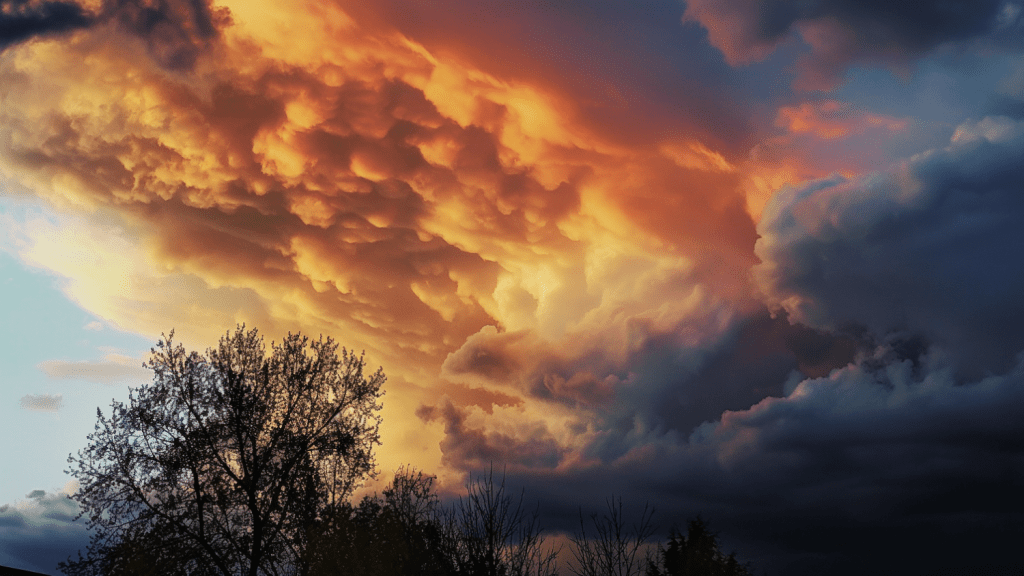
As the rain clouds gather and the late-season showers descend upon California, it’s essential to understand the intricate relationship between these rainfalls and the native plants that call this diverse landscape home.
California’s native flora boasts an array of species adapted to various climatic conditions, but how do they fare when faced with too much late-season rain Technically the rainy season in California runs from October to September with most of the rain falling December through February. Late-season rain on California’s native plants can present both the challenges and opportunities as it impacts new and late season foliage.
Understanding the Effects of Late-Season Rain

Late-season rain can wield a double-edged sword when it comes to California’s native plants. On one hand, it provides much-needed moisture in regions accustomed to dry spells, aiding in growth and rejuvenation. On the other hand, excessive rainfall can lead to a cascade of adverse effects, disrupting the delicate balance of these ecosystems. The key lies in understanding the nuanced responses of different plant species and habitats to late-season precipitation.
Read: Conserving Water in Southern California
Waterlogging and Root Health
One of the primary concerns associated with excessive late-season rain is waterlogging, a phenomenon where the soil becomes saturated with water, impeding oxygen flow to plant roots. This prolonged inundation can spell trouble for California’s native plants, particularly those adapted to drier conditions. Species such as California sagebrush (Artemisia californica) and chaparral shrubs may suffer from root rot and other diseases when their roots are constantly submerged, compromising their health and survival.
Read: How California’s Rainy Season Is Shaping Up So Far
Erosion and Soil Stability
In addition to waterlogging, heavy late-season rain can exacerbate soil erosion, especially in regions with steep slopes or fragile soil structures. Soil erosion not only exposes plant roots, making them vulnerable to damage, but it also leads to the loss of valuable nutrients essential for plant growth. Without stable soil structures to anchor them, native plants face an uphill battle in maintaining their foothold in these dynamic landscapes.
Nutrient Loss and Competition
Intense rainfall can leach essential nutrients from the soil, diminishing the availability of vital elements for plant growth and development. California’s native plants rely on a delicate balance of nutrients to thrive, and disruptions caused by late-season rain can tip the scales unfavorably. Moreover, the moisture-rich environment created by excessive rainfall provides fertile ground for weed growth and certain pests, intensifying competition for resources and posing additional challenges for native plants already struggling to adapt.
Flooding and Adaptation
In areas prone to flooding, native plants must contend with the immediate impacts of inundation. Extended periods of flooding can stress or even kill plants ill-equipped to withstand such conditions. However, some native species have evolved unique adaptations to cope with occasional flooding events, such as the ability to tolerate temporary submersion or rapid regrowth following inundation. These adaptations highlight the resilience of California’s native flora in the face of environmental challenges.
Read: Harvesting the Rain
Flowering and Fire Risk
Late-season rain can disrupt the timing of flowering and reproduction for some native plants, which rely on specific environmental cues for these critical processes. While increased moisture may initially reduce the risk of wildfires by moistening vegetation, it can also fuel the rapid growth of grasses and other fuel sources. This heightened vegetation, if followed by dry and windy conditions, can elevate the risk of wildfires later in the season, underscoring the complex interplay between late-season rain and fire dynamics in California’s ecosystems.
Read: Native Plant Nurseries Around the San Fernando Valley
The impact of late-season rain on California’s native plants is a multifaceted phenomenon that demands attention and careful consideration. While these rainfalls can provide much-needed moisture to drought-stressed landscapes, they also pose significant challenges to the resilience and sustainability of native flora. Understanding the nuances of how different plant species and habitats respond to late-season precipitation is essential for effective conservation and management efforts.
As stewards of California’s natural heritage, we must strive to strike a balance between harnessing the benefits of late-season rain and mitigating its potential harms. By fostering resilience, adaptation, and stewardship, we can ensure the continued vitality and diversity of California’s native plant communities for generations to come.
-
CA Native Plants in Bloom in March

As winter relinquishes its hold and whispers of spring begin to stir, California’s landscape transforms into a vibrant tapestry of color and life. March marks the onset of this enchanting season, when native plants burst forth in a breathtaking display of blossoms, heralding the arrival of warmer days and rejuvenation. Join us on a journey through California’s diverse ecosystems as we explore the captivating native flora that graces the Golden State during this time of year.
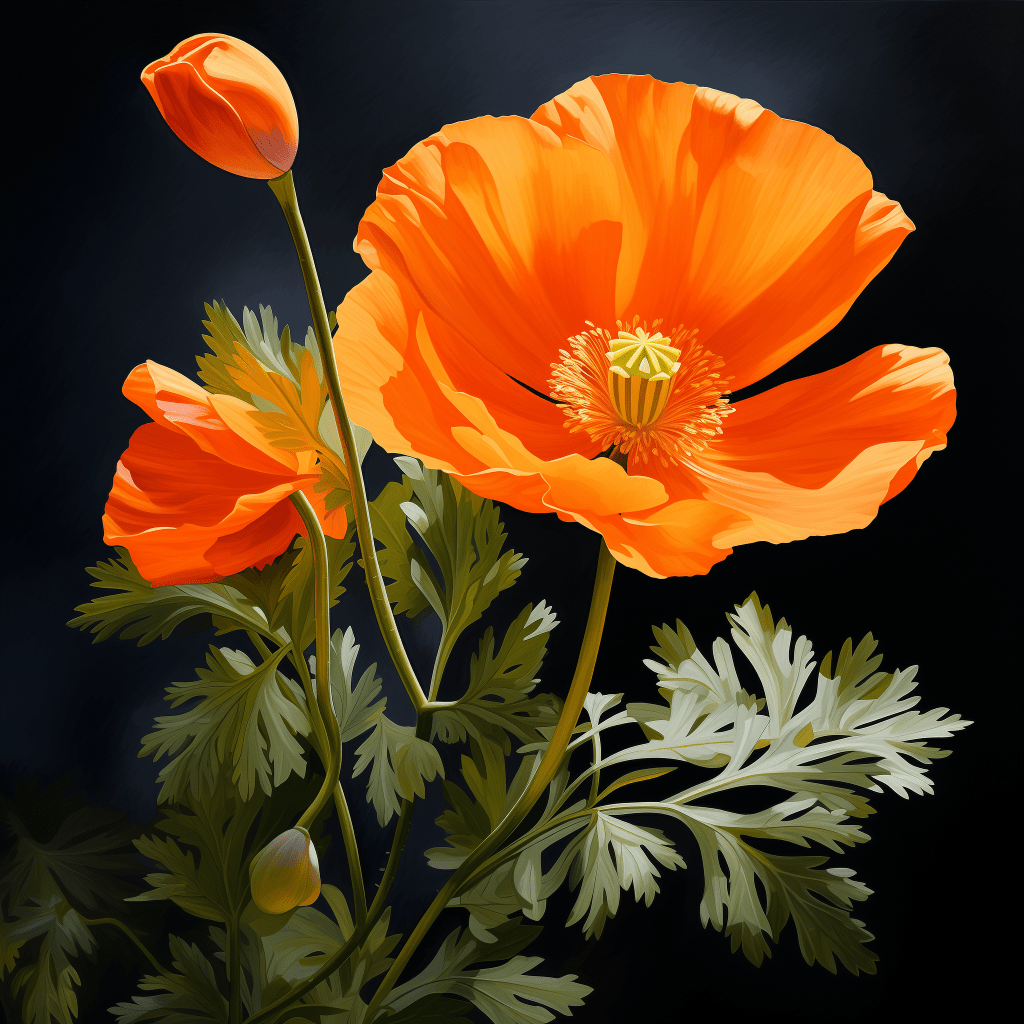
California Poppy (Eschscholzia californica)
No celebration of California’s spring blooms would be complete without paying homage to its state flower, the California Poppy. With its vibrant orange petals dancing in the breeze, this iconic wildflower blankets hillsides, meadows, and roadside verges across the state, creating a spectacle that is synonymous with the season’s arrival.Read: Harvesting the Rain
Desert Marigold (Baileya pleniradiata)
In the arid landscapes of Southern California and the desert regions beyond, the Desert Marigold adds a splash of golden-yellow hues to the parched earth. Resilient and drought-tolerant, this cheerful perennial thrives in the harsh conditions of the Mojave and Sonoran deserts, providing a beacon of hope amidst the rugged terrain.Read: Super Bloom Season in Southern California
California Lilac (Ceanothus spp.)
With its clusters of delicate blue, purple, or white blossoms, the California Lilac, or Ceanothus, graces hillsides and chaparral communities throughout the state. These evergreen shrubs are not only valued for their ornamental beauty but also for their role in supporting local ecosystems, attracting pollinators, and providing habitat for native wildlife.Read: Native Plant Nurseries Around the San Fernando Valley
Douglas Iris (Iris douglasiana)
Along the coastal cliffs and in the dappled shade of oak woodlands, the Douglas Iris unfurls its elegant petals in shades of violet, lavender, and blue. This native iris species is a symbol of California’s coastal splendor, thriving in the cool, moist conditions of coastal habitats and adding a touch of elegance to its surroundings.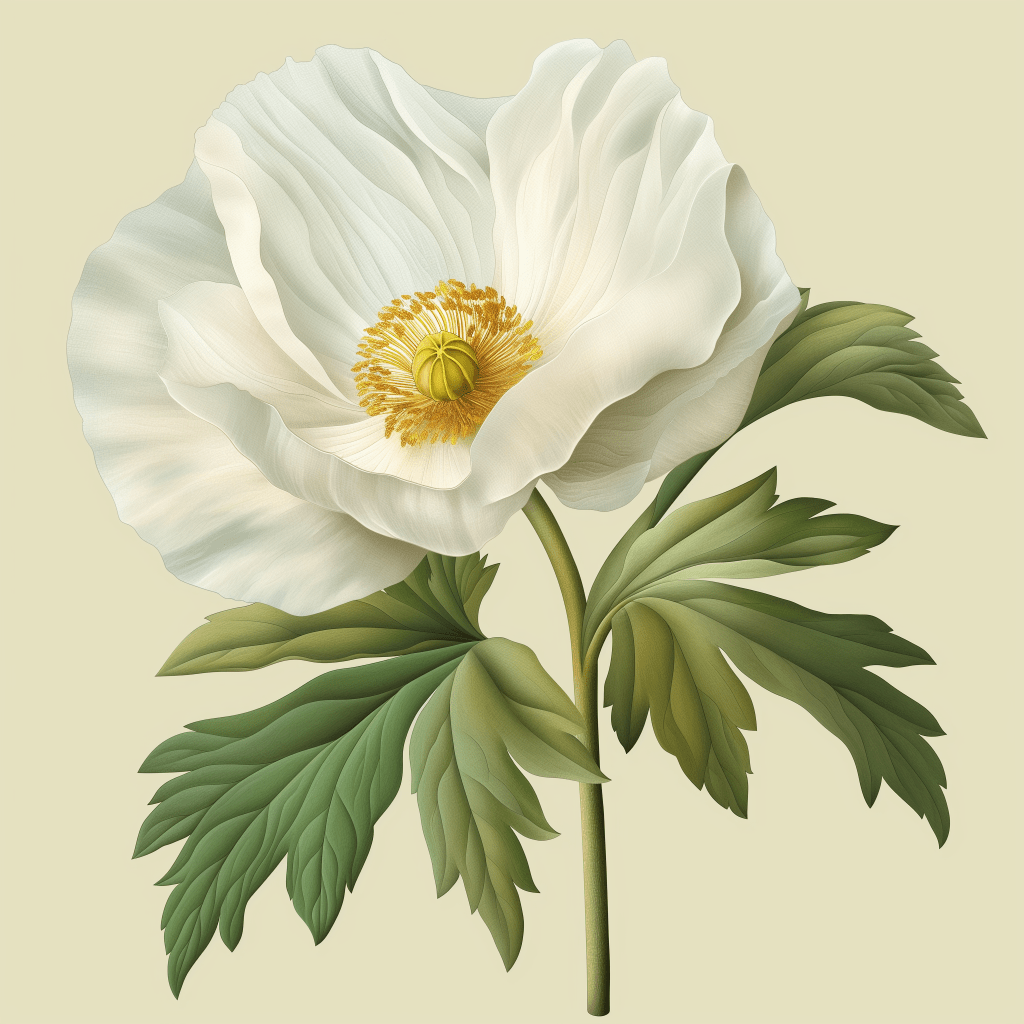
Matilija Poppy (Romneya coulteri)
Known as the “Queen of California Flowers,” the Matilija Poppy commands attention with its large, luminous white blossoms and striking yellow centers. Endemic to Southern California, this magnificent perennial graces sunny slopes and canyons with its exquisite blooms, symbolizing the wild and untamed spirit of the region.California Wild Rose (Rosa californica)
In riparian habitats, along stream banks, and in moist woodlands, the California Wild Rose unfurls its delicate pink blooms, filling the air with a sweet and subtle fragrance. This native rose species not only adds beauty to its surroundings but also provides important food and habitat for a variety of wildlife, including birds and butterflies.Western Redbud (Cercis occidentalis)
As winter fades away, the Western Redbud emerges as a harbinger of spring, adorning California’s foothills and valleys with its clusters of magenta or lavender-pink blossoms. A favorite among gardeners and landscapers, this deciduous tree adds a pop of color to the landscape and serves as a valuable nectar source for early-season pollinators.Read: Starting a Native Plant Garden in Southern California Hardiness Zone 10
As March unfolds and the rhythms of nature awaken, California’s native plants offer a captivating spectacle that beckons us to immerse ourselves in the beauty of the season. From the iconic blooms of the California Poppy to the subtle elegance of the Douglas Iris, each species plays a vital role in the intricate web of life that sustains our state’s rich biodiversity. So, as you venture outdoors this March, take a moment to appreciate the kaleidoscope of colors and fragrances that adorn California’s landscapes, reminding us of the enduring resilience and natural splendor of our wild spaces.
-
SoCal Native Plants in Bloom in February
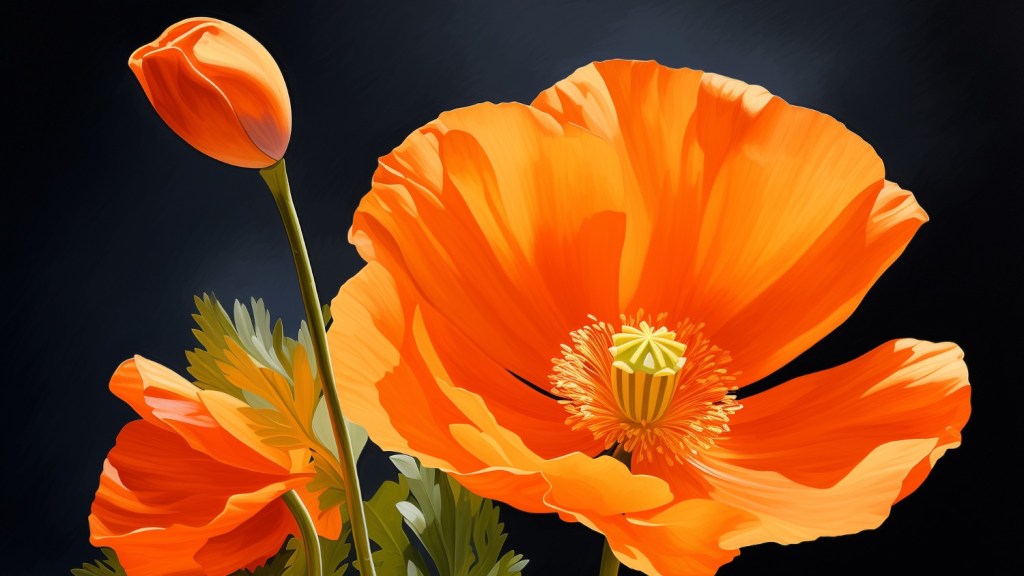
As February kicks off, Southern California begins to reveal its vibrant tapestry of native plants in bloom. From the coastal plains to the rugged mountains and desert landscapes, this region boasts a diverse array of flora that thrives under the warm winter sun. Join us as we explore some of the native plants adorning Southern California landscapes this month, showcasing their beauty and ecological significance.
Read: January Wild Flowers
Native Plants in Bloom in February
California Poppy (Eschscholzia californica)
The California poppy, with its iconic golden-orange blooms, is a symbol of the state’s natural beauty.These cheerful flowers carpet hillsides and meadows, creating breathtaking displays. Their drought tolerance and adaptability make them a favorite choice for native plant gardens.
Matilija Poppy (Romneya coulteri)
Known as the “fried egg plant” for its large, white, poppy-like flowers with golden centers, the Matilija poppy is a showstopper.
It thrives in the coastal sage scrub and chaparral habitats of Southern California.
While somewhat challenging to grow, its stunning blooms are well worth the effort for gardeners seeking a native focal point.California Lilac (Ceanothus spp.)
California lilacs, or Ceanothus, encompass a diverse group of shrubs and groundcovers known for their striking blue, lavender, or white blossoms.
These hardy plants attract pollinators and provide habitat for local wildlife.
With their vibrant colors and delicate fragrance, they add beauty and biodiversity to gardens and natural landscapes alike.
Read: Harvesting the Rain
Desert Marigold (Baileya multiradiata)
Found in the arid regions of Southern California, the desert marigold is a resilient wildflower that brightens sandy soils with its cheerful yellow blooms.
Despite its name, it’s not a true marigold but rather a member of the sunflower family.
Its ability to thrive in hot, dry conditions makes it a valuable addition to drought-tolerant gardens.
Benefits of Native Plants
Native plants play a vital role in Southern California’s ecosystems, providing food and habitat for native wildlife, supporting pollinators, and contributing to soil health and erosion control. By incorporating native plants into our landscapes, we can conserve water, reduce maintenance needs, and preserve the region’s natural heritage.
As February unfolds, take the time to appreciate the beauty and resilience of Southern California’s native plants in bloom. Whether you’re strolling through a local botanical garden, hiking in the wilderness, or tending your own garden, these native treasures offer a connection to the rich biodiversity of the region. Let’s celebrate and protect these invaluable assets for generations to come.
Additional Resources
Read: Native Plant Nurseries Around the San Fernando Valley
Share Your Experience
We’d love to hear from you! Have you encountered any native plants in bloom in Southern California this February? Let’s celebrate the beauty of our native flora and inspire others to cultivate a deeper appreciation for the natural world.
-
Harvesting the Rain

10 Ways to Save Rainwater in Southern California
Southern California is known for its sunny skies and arid climate, making water conservation a top priority for residents and businesses alike. With rainfall often scarce, every drop counts. Fortunately, rainwater harvesting provides an eco-friendly solution to mitigate water scarcity and reduce reliance on traditional water sources. Here are ten innovative ways to collect rainwater in Southern California:
While it may be too late with the atmospheric river over Southern California right now, planning for future rain events helps us prepare for the future.

Rain Barrels. Rain barrels are a classic and cost-effective method for harvesting rainwater. These large barrels are placed under downspouts to capture runoff from roofs. In Southern California, where even small amounts of rain can be precious, rain barrels can quickly accumulate significant volumes of water for later use in landscaping or gardening.
Read: Late-Season Rain
Rain Chains. For a decorative and functional alternative to traditional downspouts, consider installing rain chains. These elegant chains guide rainwater from the roof to the ground or a collection basin, allowing for efficient water collection while adding aesthetic appeal to your property.
Permeable Pavers. Permeable pavers offer a dual benefit of rainwater collection and groundwater recharge. These specially designed paving stones allow rainwater to seep through the surface and into an underlying reservoir or permeable soil layer. In Southern California, where stormwater runoff contributes to pollution and erosion, permeable pavers help mitigate these environmental concerns while conserving water.
Read: Drought Tolerant vs. Native Plants
Rain Gardens. Rain gardens are landscaped areas designed to capture and absorb rainwater runoff. By strategically selecting native plants and creating depressions or swales, rain gardens can retain water, reduce erosion, and support biodiversity. In Southern California, where drought-resistant landscaping is essential, rain gardens offer a sustainable and visually appealing solution.
Green Roofs. Green roofs, or living roofs, provide multiple benefits, including rainwater harvesting, insulation, and improved air quality. By installing a layer of vegetation and a drainage system on rooftops, green roofs capture rainwater and reduce the heat island effect in urban areas. In Southern California, where urban heat exacerbates water scarcity, green roofs offer a sustainable cooling solution.
Cisterns. Cisterns are large containers designed to store rainwater for later use. These tanks can be installed above or below ground and come in various sizes to accommodate different water storage needs. In Southern California, where water conservation is critical, cisterns provide a reliable source of non-potable water for irrigation, firefighting, and other uses.
Swales and Berms. Swales and berms are landscape features that help manage rainwater runoff by directing it to desired locations. Swales are shallow channels or depressions that slow down and capture runoff, while berms are raised earthworks that help channel and store water. In Southern California, where controlling erosion and preserving soil moisture are paramount, swales and berms offer effective solutions for rainwater management.
Read: Starting a Native Plant Garden in Southern California Hardiness Zone 10
Rainwater Harvesting Systems. Rainwater harvesting systems integrate various components, such as gutters, filters, and storage tanks, to capture and store rainwater efficiently. These systems can be customized to fit residential, commercial, or agricultural settings and often include pumps and treatment devices for water distribution. In Southern California, where water conservation is a way of life, rainwater harvesting systems provide a sustainable alternative to traditional water sources.
Rainwater Collection Hubs. Community-based rainwater collection hubs serve as centralized locations for collecting and distributing rainwater within neighborhoods or urban areas. These hubs can include large cisterns, filtration systems, and educational resources to promote water conservation and community resilience. In Southern California, where droughts and water shortages are recurring challenges, rainwater collection hubs foster collaboration and innovation in water management.
Outreach and Incentive Programs. Educational outreach and incentive programs play a crucial role in promoting rainwater harvesting and water conservation practices. By providing resources, workshops, and financial incentives, governments, non-profits, and community organizations can empower residents and businesses to adopt sustainable water management practices. In Southern California, where every drop of rain is precious, education and incentives help cultivate a culture of conservation and stewardship.
Rainwater harvesting offers a sustainable solution to water scarcity in Southern California, where every drop of rain is a precious resource. By implementing innovative techniques such as rain barrels, permeable pavers, and rain gardens, residents and businesses can capture and utilize rainwater effectively while reducing reliance on traditional water sources. Through community collaboration, education, and incentive programs, Southern California can harness the power of rainwater to build resilience and sustainability for generations to come.
-
January Wild Flowers

California’s diverse climate and geography result in a variety of native plants that bloom in January. The specific plants you’ll find can vary depending on the region of California, as the state encompasses coastal areas, mountain ranges, deserts, and more.
Please note that many/most of these plants have average bloom times later in spring. With changing weather patterns, however, many of these California native plants may be growing and blooming ahead of “normal” as regional temperatures change.
Here are some examples of native plants that may bloom in California in January.
Manzanita (Arctostaphylos spp.): Some species of manzanita, a drought-tolerant shrub, may produce flowers in January.
California Buckwheat (Eriogonum fasciculatum): This perennial shrub is found in many parts of California and may have blooms in January.

Pacific madrone (Arbutus menziesii): Known as the Bearberry, or Strawberry Tree, the madrone with the shifting seasons seem to be producing flowers in early November, December and January in some zones.
Toyon (Heteromeles arbutifolia): Also known as California holly or Christmas berry, Toyon may display clusters of small white flowers in winter. Many plants in January will still be covered bright red berries that are a favorite of robins, thrushes and waxwings, coyotes and bears.
Read: Starting a Native Plant Garden in Southern California Hardiness Zone 10
Ceanothus (Ceanothus spp.): Some species of Ceanothus, commonly known as California lilac, may bloom in January with blue or white flowers.
Coast Live Oak (Quercus agrifolia): While not known for conspicuous flowers, some oaks, including the Coast Live Oak, may produce small flowers in winter.

California brittlebush (Encelia californica): While winter closes in around the brittlebush, in the warmer zones, has begun to push out blooms with some standing out as hot yellow sunbursts under a grey drab sky.
Milkweed (Asclepias spp.): Certain species of milkweed, such as the narrow-leaved milkweed (Asclepias fascicularis), may have blooms in January.
Read: Native Plant Nurseries Around the San Fernando Valley
California Sagebrush (Artemisia californica): This aromatic shrub may have small, inconspicuous flowers in winter.

Wild Cucumber (Marah macrocarpus): This vining plant may produce white or greenish flowers in January.
California Poppy (Eschscholzia californica): While the peak blooming season is in spring, you may still find some California poppies flowering in January, especially in milder climates.
Blue Palo Verde (Parkinsonia florida): Native to the desert regions of California, the Blue Palo Verde may have yellow flowers in winter.
Read: California Native Plants Unattractive to Bees
January is the ideal time to start throwing wildflower seeds if you haven’t already. With the winter rains and cold temps, they will have plenty of time to germinate and start their journey to spring blooms.
It’s important to note that bloom times can vary based on factors like local climate conditions, elevation, and specific plant species. If you’re interested in native plants in a specific area of California, you might want to consult local plant guides or contact a native plant society for more detailed information.
-
Greening Your Space: 10 Reasons to Choose California Native Plants

Transform your outdoor haven by swapping the conventional lawn for the vibrant beauty of California native plants. Discover the eco-friendly benefits, from water conservation to low maintenance, as we explore the top reasons to make the switch. Dive into our curated list of 10 recommended native plants, redefining your garden with both beauty and sustainability. Join the movement for a greener California landscape!
Read: How Bad are Artificial Turf Lawns?
Replacing your lawn with California-native plants provides countless benefits, both for the local ecosystem and your personal outdoor space. Here’s a breakdown of 10 reasons to make the switch, along with 10 recommendations for native plants to start your garden with.
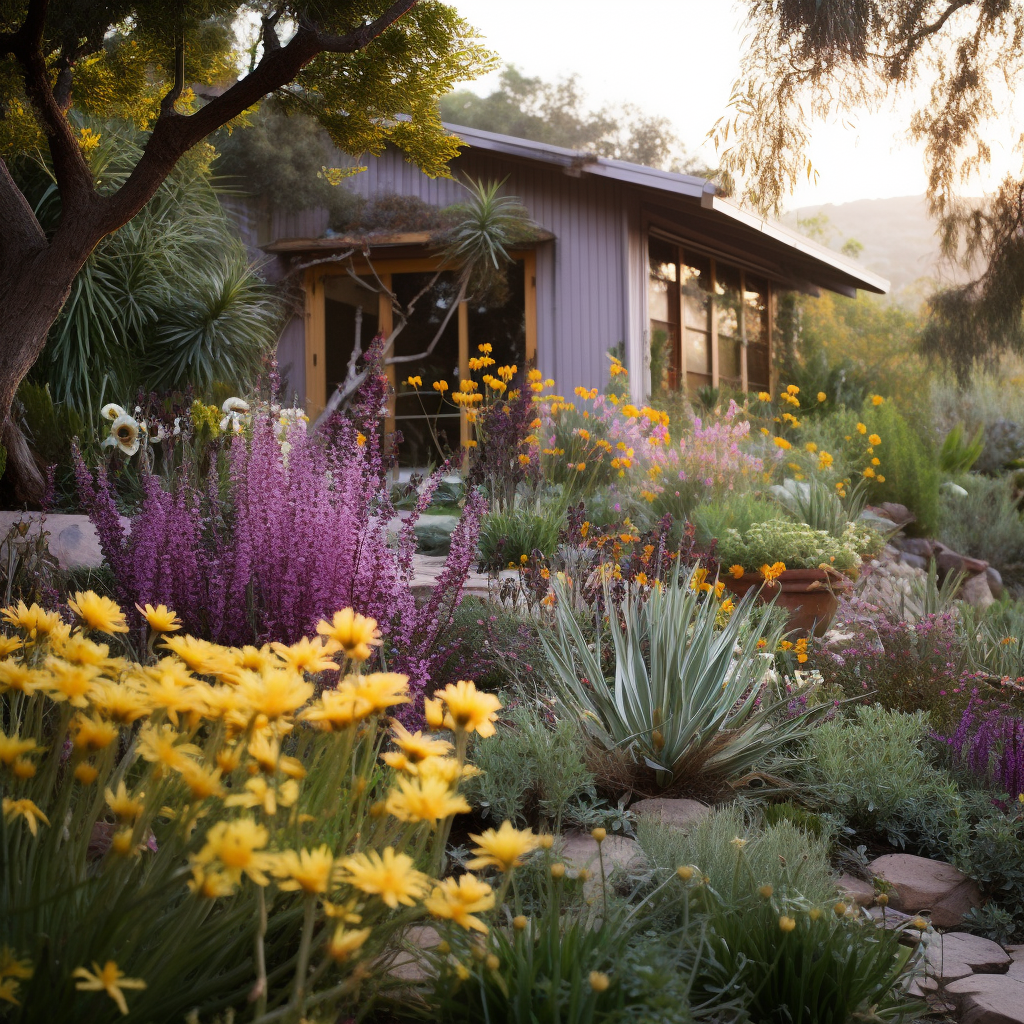
10 Reasons to Replace Your Lawn with California Native Plants
- Water Conservation: California native plants are adapted to the local climate, requiring less water than non-native alternatives. This can significantly contribute to water conservation efforts in the region. This doesn’t mean you don’t have to water your new garden. To the contrary, be sure to water in new plants for the first year to ensure they get established and thrive.
- Drought Resistance: Native plants have evolved to thrive in California’s semi-arid conditions, making them well-suited to withstand periods of drought without sacrificing beauty.
- Wildlife Habitat: Native plants provide essential food and shelter for local wildlife, including birds, butterflies, and pollinators. Creating a diverse ecosystem in your garden helps support biodiversity.
- Low Maintenance: Once established, native plants generally require less maintenance than traditional lawns. They are well-adapted to the local soil and climate, reducing the need for fertilizers and pesticides.
- Soil Health: Native plants promote soil health by preventing erosion and supporting beneficial microbial activity. They are adapted to local soil conditions, improving overall soil quality.
- Reduced Carbon Footprint: Planting native species reduces the need for transportation and cultivation of non-native plants, lowering your carbon footprint and contributing to a more sustainable environment.
- Aesthetic Appeal: California native plants offer a unique and diverse range of colors, textures, and shapes. They can enhance the aesthetic appeal of your garden, creating a beautiful and natural landscape.
- Resilience to Climate Change: Native plants are better equipped to handle the challenges of climate change, such as temperature extremes and changing precipitation patterns, contributing to a more resilient garden.
- Cost Savings: Over time, native plants can be more cost-effective than traditional lawns due to reduced water and maintenance requirements. This makes them a sustainable and budget-friendly choice.
- Connection to Local Ecosystems: By choosing native plants, you contribute to the preservation of California’s unique ecosystems and help maintain the delicate balance of native flora and fauna.
Read: Native Plant Nurseries Around the San Fernando Valley
10 Recommendations for California Native Plants
- California Poppy (Eschscholzia californica): The iconic California poppy adds vibrant orange hues to your garden and is well-known for its drought tolerance.
- Manzanita (Arctostaphylos spp.): With its striking red bark and evergreen foliage, manzanita is a hardy shrub that attracts pollinators.
- California Lilac (Ceanothus spp.): California Lilac, or Ceanothus, is a diverse group of evergreen shrubs that vary in size, shape, and flower color.
- Salvia (Salvia spp.): Salvias are diverse, attracting hummingbirds and butterflies. Choose from varieties like Black Sage (Salvia mellifera) or Cleveland Sage (Salvia clevelandii).
- California Buckwheat (Eriogonum spp.): Buckwheats are essential for supporting native pollinators and come in various sizes and shapes.
- Douglas Iris (Iris douglasiana): This perennial iris offers delicate purple flowers and thrives in many California habitats.
- Yarrow (Achillea millefolium): Yarrow is a hardy and versatile plant with feathery foliage and clusters of flowers that attract pollinators.
- Coyote Mint (Monardella villosa): Known for its fragrant leaves, coyote mint is a drought-tolerant plant that attracts bees and butterflies.
- Coulter’s Matilija Poppy (Romneya coulteri): This stunning perennial features large white flowers and is well-suited for dry, sunny conditions.
- California Fuchsia (Epilobium canum): With its tubular red flowers, California fuchsia is a favorite among hummingbirds adding a splash of color to your garden.
Read: Starting a Native Plant Garden in Southern California Hardiness Zone 10
Embracing California native plants isn’t just a garden makeover—it’s a sustainable lifestyle choice. From water-wise landscaping to supporting local biodiversity, the benefits are vast. Ready to transform your outdoor space? Explore our handpicked selection of 10 native plants, and cultivate a garden that’s not just visually stunning but also environmentally conscious. Make the switch today and be part of the movement towards a greener, more resilient California landscape. Your garden, the environment, and future generations will thank you.
Planting Natives

 Exploring Urban Ecosystems and Patch Ecology