-
Why California’s Ecosystem is So Vital and the Complexities of Wildfire Management

California’s ecosystem is one of the most diverse and ecologically significant in the world. From its towering redwoods to its arid deserts, lush wetlands, and rugged mountains, the Golden State boasts a staggering variety of plant and animal life. California is home to nearly 40 million people, as well as thousands of species of flora and fauna, many of which are found nowhere else on Earth. The health of this unique ecosystem is crucial not only for the state but for the planet as a whole.
However, in recent years, California’s ecosystems have faced increasing pressure from human activity, climate change, and, more recently, wildfires. The devastating fires in the state have sparked debates about how to best protect these natural resources. One controversial suggestion made by former President Donald Trump in 2018—saying that simply “raking leaves” could prevent fires—was widely criticized by environmental experts and scientists. In this post, we will explore why California’s ecosystem is so vital, why the notion of raking leaves to prevent wildfires is oversimplified, and what we should be doing instead to protect these precious natural resources.
The Vital Importance of California’s Ecosystem
California’s ecosystems are incredibly diverse, ranging from coastal wetlands and fertile valleys to vast forests and arid deserts. This diversity plays a critical role in the state’s environmental and economic well-being. Here’s why:
Biodiversity Hotspot
California is a global biodiversity hotspot, meaning it has an exceptionally high level of plant and animal diversity. In fact, the state has over 7,000 species of plants and more than 1,000 species of animals, many of which are endemic, meaning they exist nowhere else in the world. The state’s biodiversity is essential for maintaining balanced ecosystems, which in turn provide essential ecosystem services like pollination, water filtration, and carbon sequestration.
Many of these species, such as the California condor or the endangered Sierra Nevada bighorn sheep, rely on the preservation of their natural habitats to survive. As the state’s ecosystems face increasing threats from habitat destruction, invasive species, and climate change, protecting California’s biodiversity has become more critical than ever.
Water Supply and Agriculture
California is a major agricultural producer, supplying nearly half of the country’s fruits and vegetables. The state’s diverse ecosystems, including its forests, wetlands, and watersheds, play a key role in maintaining water quality and regulating the state’s water supply. Forests, for example, act as natural sponges that absorb rainfall and slowly release it into rivers and streams, ensuring a steady water supply for both humans and wildlife.
Read: Conserving Water in Southern California
Healthy ecosystems are also essential for managing the effects of droughts, which are common in California. Wetlands help capture and store water, reducing flooding during heavy rains, and forests help retain moisture in times of drought.
Carbon Sequestration
In the fight against climate change, California’s ecosystems are critical for absorbing carbon dioxide, a key greenhouse gas. Forests, grasslands, and wetlands all play a role in capturing and storing carbon. For instance, California’s forests store billions of tons of carbon in their trees and soil, helping to mitigate the effects of global warming. As the climate warms, preserving these natural carbon sinks becomes more important than ever.
Read: Embracing the Fifth Season
Cultural and Recreational Value
California’s natural beauty attracts millions of visitors each year, contributing to the state’s economy through tourism. National parks such as Yosemite, Sequoia, and Joshua Tree are world-renowned for their stunning landscapes. Many Indigenous communities have lived in California for thousands of years, and their cultures are deeply tied to the land, with native plants and animals playing a key role in their traditions, food systems, and spiritual practices.
The Wildfire Challenge and the “Raking Leaves” Myth
Wildfires have been a growing threat to California’s ecosystems and communities, particularly in the past few decades. The state has experienced longer fire seasons, more frequent fires, and larger burn areas, all exacerbated by a combination of factors like climate change, drought, and poor land management.
Former President Donald Trump’s infamous suggestion in 2018 that California could prevent wildfires by simply “raking leaves” on forest floors quickly became the subject of widespread criticism. While it may sound like an easy fix, the reality of wildfire management is far more complex.
The Role of Forests in Wildfires
California’s forests, particularly those in the Sierra Nevada and coastal ranges, are naturally fire-prone. Many of these ecosystems rely on fire for regeneration; certain species, like the giant sequoia and some pines, actually require fire to open their cones and release seeds. Over the centuries, these forests have adapted to frequent, low-intensity fires that clear away underbrush and allow new growth to flourish.
Read: Drought Tolerant vs. Native Plants
However, decades of fire suppression and mismanagement have created an unhealthy accumulation of dead vegetation and thick underbrush, which increases the risk of high-intensity, catastrophic wildfires. Raking leaves and clearing debris from the forest floor is a good practice in some areas, but it’s not a comprehensive solution to the problem. The real solution lies in implementing controlled burns (prescribed fires) and thinning overgrown forests in a way that mimics the natural fire regime.
Climate Change and Drought
California’s fire seasons are becoming longer and more intense due to the effects of climate change. Rising temperatures, reduced rainfall, and prolonged droughts have made vegetation drier and more flammable. The combination of warmer temperatures, earlier snowmelt, and reduced rainfall creates the perfect conditions for wildfires to ignite and spread rapidly.
Raking leaves will not solve the underlying issue of a changing climate. The state needs to focus on addressing climate change through reducing greenhouse gas emissions, investing in renewable energy, and implementing more sustainable land and water management practices.
The Importance of Fire-Resilient Landscapes
Rather than oversimplified solutions like leaf-raking, fire-resilient landscaping is a critical strategy in preventing the spread of wildfires. Fire-resistant plants, defensible space around homes, and the removal of dead or diseased trees are all important components of creating landscapes that are less likely to catch fire.
Moreover, California needs to invest in restoring natural ecosystems through controlled burns, forest thinning, and other land management strategies that allow fires to behave in a more controlled, beneficial way. These practices reduce fuel loads, improve habitat, and decrease the severity of wildfires.
Protecting California’s Ecosystems for Future Generations
California’s ecosystems are critical not only to the state’s environment but to its economy, public health, and culture. The state’s unique biodiversity, water resources, and carbon storage capabilities are all deeply connected to its natural landscapes. As we face an increasing threat from wildfires and the ongoing challenges of climate change, it’s more important than ever to protect and manage these ecosystems in sustainable ways.
The suggestion that simply raking leaves can prevent wildfires is a misunderstanding of the complex interactions between climate, ecosystems, and fire. While certain land management practices can help reduce fire risks, they must be part of a broader, more informed strategy that addresses the root causes of wildfire behavior, from climate change to forest mismanagement. By embracing science-based solutions and prioritizing the health of California’s natural ecosystems, we can better protect the state from the growing threat of wildfires and ensure its beauty and biodiversity are preserved for future generations.
-
The Benefits of California Native Plants for Fire-Resilient Landscaping

California is no stranger to wildfires. With hot, dry summers, windswept landscapes, and an increasing frequency of extreme weather events, the threat of devastating fires is a constant reality for many residents, especially in urban-wildland interface areas. The recent Palisades and Alta Dena fires remind us just how quickly fire can spread and the devastating consequences it can have on both communities and ecosystems. As the state continues to grapple with these challenges, one powerful tool in mitigating the risk of wildfires is the use of California native plants in landscaping.
California native plants, which are naturally adapted to the region’s climate and fire-prone environment, offer a range of benefits when it comes to creating fire-resilient landscapes. In this post, we’ll explore how these plants can help reduce the risk of wildfires, protect homes and communities, and contribute to the overall health of the environment.
Natural Fire Resistance of Native Plants
One of the primary reasons California native plants are a valuable resource for fire-resilient landscaping is their inherent ability to withstand fire. Native plants have evolved over thousands of years to survive the state’s regular fire cycles. Many species are adapted to the frequent, low-intensity fires that naturally occur in California’s landscapes, and some even require fire to complete their life cycle, such as certain species of pine trees that need heat to release their seeds.
Native plants, unlike some non-native species, tend to have lower levels of volatile oils and resins, which can make them less prone to igniting in the event of a wildfire. For example, species like manzanita, California lilac (Ceanothus), and deer grass have thicker, less flammable foliage, which makes them more fire-resistant than non-native ornamentals. Additionally, many native plants are drought-tolerant, meaning they have a lower moisture content in their leaves, which can reduce the risk of ignition during periods of heat or dryness.
Reduced Fire Fuel Load
One of the major contributors to the spread of wildfires is an excess of combustible materials, also known as fuel load. Non-native plants, especially invasive species like grass or shrubs that are not adapted to California’s fire regimes, can quickly build up this fuel load, making fire spread more intense and difficult to control. Invasive grasses, for instance, dry out quickly and burn easily, creating a fast-moving fire hazard.
California native plants, on the other hand, tend to have a more natural growth pattern that doesn’t contribute to large accumulations of dry, dead plant matter. They also often grow in more spaced-out arrangements, with plenty of gaps between plants, which can slow down the spread of fire. By replacing invasive or highly flammable non-native species with native plants, homeowners can significantly reduce the overall fire risk on their property.
Fire-Resilient Landscaping Reduces Risk to Structures
In fire-prone areas, the most immediate concern is often protecting homes and other structures from wildfire damage. Traditional landscaping features, like lawns, shrubs, and trees, can all contribute to the spread of fire if not carefully managed. Lawns, in particular, are highly flammable and require large amounts of water and maintenance, which can be a strain on resources in areas facing drought.
California native plants are a sustainable alternative that can help protect structures. When planted strategically, they create defensible spaces that can slow the spread of fire to your home. For example, native ground covers and low-growing plants can act as firebreaks, while taller, more fire-resistant shrubs can form natural barriers that protect your home from advancing flames. By using fire-resistant plants such as California fuchsia, California buckwheat, or Western redbud, you create a buffer zone that can absorb moisture from the soil and resist ignition, giving firefighters more time to protect structures.
Creating Fire-Smart Zones with Native Plants
A key principle of fire-resilient landscaping is the creation of defensible zones around homes and properties. These zones can be designed to reduce the risk of fire spreading to your house by managing vegetation, fuel loads, and plant spacing. Native plants can be an integral part of this design.
The first zone, closest to the home, should consist of low-growing, fire-resistant plants that are spaced apart to prevent fire from jumping between them. Native ground covers like creeping thyme, native grasses, and small wildflowers are perfect for this zone because they’re low-maintenance, drought-tolerant, and less likely to catch fire.
The second zone can include larger shrubs and small trees, such as manzanita or California lilac, which have a higher tolerance for heat and fire. These plants should be spaced to allow for adequate air circulation, preventing the fire from spreading through dense vegetation. The key is to keep plants well-maintained by trimming them regularly and removing dead plant matter, which can fuel the flames.
In the third zone, further from the home, you can use larger trees and shrubs that are spaced far enough apart to prevent a direct line of fire from reaching your property. Native trees such as oaks and sycamores are ideal because they have thicker bark and higher moisture content in their leaves, which helps them resist fire damage.
By incorporating native plants into each of these zones, you create a layered defense system that reduces the risk of fire spreading to structures while promoting the health and vitality of the landscape.
Restoring Fire Adaptation and Reducing Fire Hazard in Communities
Urban sprawl often pushes development into fire-prone areas, creating the so-called “wildland-urban interface.” This transition zone is where most wildfires threaten homes and infrastructure. In these areas, it is crucial to design fire-safe landscapes that take local conditions into account, and native plants are an essential component of that design.
By promoting the use of California native plants in landscaping, we can not only reduce fire risk for individual properties but also help restore fire-adapted ecosystems in the broader landscape. Native plants are an important part of maintaining the ecological health of California’s wildlands, many of which rely on fire to thrive. When cities and communities prioritize fire-resilient landscaping with native plants, they contribute to the restoration of fire-adapted landscapes that are better suited to California’s natural fire regime.
Moreover, communities can work together to create fire-safe neighborhoods by establishing common green spaces with native plants, creating fire breaks, and educating residents on how to maintain fire-safe landscaping. This community-wide approach helps reduce the overall risk of catastrophic wildfires and promotes a sense of shared responsibility for fire prevention.
The Environmental and Financial Benefits of Native, Fire-Resilient Landscaping
While native plants offer important fire-resilience benefits, they also provide broader environmental advantages. Native plants support local wildlife, conserve water, and improve soil health. By using them in landscaping, property owners contribute to the preservation of California’s unique ecosystems.
Financially, incorporating fire-resistant native plants can reduce long-term costs associated with wildfire damage, insurance premiums, and ongoing landscaping maintenance. Native plants typically require less water and fewer chemicals, which leads to reduced utility and pesticide costs. In fire-prone areas, the potential savings in insurance premiums alone could be significant.
Protecting Our Homes and Communities with Native Plants
As California faces an increasing number of wildfires, it is essential to find innovative ways to protect our homes, communities, and the environment. Using California native plants for fire-resilient landscaping is an effective and sustainable solution. These plants are naturally fire-resistant, reduce the fuel load, and create defensible spaces that can help protect homes from wildfire threats. In addition, they promote ecological health, save water, and lower maintenance costs, making them a smart choice for homeowners, businesses, and municipalities alike.
By embracing native plants as part of a fire-smart landscaping strategy, we can help reduce the devastating impacts of wildfires like those in Palisades and Alta Dena, ensuring a safer and more resilient California for generations to come.
-
Benefits of Incorporating California Native Plants in Urban Landscaping

As California’s urban areas continue to grow, cities face increasing challenges related to water conservation, sustainability, and maintaining healthy landscapes. One of the most effective ways to address these challenges is by incorporating California native plants into urban landscaping. Native plants, which are naturally adapted to the local climate and environment, offer a range of economic benefits that go beyond their aesthetic appeal. From reducing water bills to lowering maintenance costs and minimizing pesticide use, native plants can be a smart investment for cities, homeowners, and businesses alike.
In this post, we’ll explore the key economic benefits of using California native plants in urban landscaping and why more cities should embrace this sustainable approach.
Reduced Water Bills and Conservation of Water Resources
California is no stranger to droughts, and urban areas are under increasing pressure to conserve water. One of the most significant benefits of native plants is their exceptional drought tolerance. Unlike many non-native species, which require frequent watering, native plants are adapted to the state’s Mediterranean climate, characterized by hot, dry summers and mild, wet winters. Once established, many native plants require little to no irrigation, significantly reducing the amount of water needed to maintain a landscape.
Read: How Bad are Artificial Turf Lawns?
For homeowners and businesses, this translates to lower water bills. For cities, encouraging the use of native plants in public spaces, parks, and streetscapes can lead to substantial water savings. Reducing water consumption is especially important as urban areas expand and the demand for water continues to rise. By using native plants, cities can make meaningful strides in water conservation while also saving money on water infrastructure.
Lower Maintenance Costs
Maintaining a landscape can be costly, especially when it involves plants that require constant attention. Lawns, non-native species, and ornamental plants often demand regular trimming, mowing, fertilizing, and replanting. These tasks can quickly add up in terms of labor and resource costs. In contrast, California native plants are low-maintenance once established. They are well-suited to the local soil and weather conditions, meaning they don’t require excessive fertilization or pruning.
Native plants are also less prone to pests and diseases, further reducing the need for intervention. In fact, many native species form symbiotic relationships with local pollinators and beneficial insects, which help keep pest populations in check. This naturally reduces the need for costly pesticide applications, which not only save money but also reduce the environmental impact of toxic chemicals.
Read: Greening Your Space: 10 Reasons to Choose California Native Plants
By incorporating native plants into urban landscaping, municipalities, homeowners, and businesses can significantly reduce the time, labor, and resources spent on maintenance. This makes native plant landscapes not only eco-friendly but also economically efficient.
Reduced Fertilizer and Pesticide Use
Fertilizers and pesticides are often necessary to keep non-native plants healthy, but these chemicals come with significant costs—not just financially, but environmentally as well. Fertilizers can run off into storm drains, contaminating local waterways, and pesticides can harm beneficial insects like bees and butterflies, which are crucial to pollination.
California native plants, however, are naturally resistant to pests and diseases that affect many non-native species. Their deep root systems help them thrive in poor soils, and they have evolved to survive with minimal human intervention. As a result, native plants often require little to no chemical treatments, which can drastically reduce the need for fertilizers and pesticides.
For cities, this means fewer resources are spent on chemical applications, leading to both financial savings and reduced environmental impact. Moreover, less pesticide use results in safer, healthier environments for residents, wildlife, and the broader ecosystem.
Increased Property Values and Community Appeal
Landscaping is one of the first things people notice about a property, and well-designed outdoor spaces can significantly increase property values. Incorporating native plants into urban landscaping not only enhances curb appeal but also creates a sense of place that reflects California’s natural beauty. Whether it’s a residential garden, a business front, or a public park, native plantings can make an area stand out while still being in harmony with the local environment.
Additionally, native plants support local wildlife, which can contribute to the overall aesthetic and enjoyment of a space. Birds, butterflies, and pollinators attract attention and interest, making urban areas feel more vibrant and alive. This can be particularly appealing to eco-conscious buyers or tenants who are looking for sustainable living options.
For municipalities, investing in native plants can enhance the overall look and feel of a city, making it more attractive to tourists, residents, and businesses. This can lead to higher property values, increased tourism, and a stronger sense of community.
Support for Local Economies and Green Jobs
By incorporating native plants into urban landscaping, cities can support local economies in several ways. The demand for native plants encourages local nurseries and gardeners to grow and sell native species, fostering green industries that create jobs and boost local economies.
Moreover, as cities continue to prioritize sustainability and environmental stewardship, there is an increasing need for professionals skilled in native plant landscaping. This opens up opportunities for landscaping companies, horticulturists, and conservationists to specialize in the design, installation, and maintenance of native plant landscapes. In turn, this helps create a workforce focused on sustainable practices, contributing to the overall economic development of the green economy.
Stormwater Management and Reduced Infrastructure Costs
In urban environments, stormwater runoff is a major concern. When it rains, impervious surfaces like asphalt and concrete prevent water from soaking into the ground, leading to flooding, erosion, and water pollution. Native plants, however, are naturally adapted to absorb and filter rainwater through their deep, extensive root systems. This helps reduce stormwater runoff and allows water to be slowly released into the environment, preventing flash floods and minimizing erosion.
Read: The Impact of Climate Change on Planting Zones: A Look Ahead to 2050
By incorporating native plants into urban landscaping, cities can improve their stormwater management without investing in expensive infrastructure like retention ponds or complex drainage systems. This not only reduces costs but also helps prevent environmental damage, like waterway contamination and soil erosion.
Promoting Sustainability and Long-Term Savings
Ultimately, the economic benefits of incorporating native plants into urban landscapes come down to sustainability. Native plants require fewer resources—such as water, fertilizers, and pesticides—over their lifetime, which means that the savings accumulate year after year. While there may be an initial investment in planting and design, the long-term cost savings can make a significant difference in the budget for both homeowners and municipalities.
By adopting native plants on a larger scale, cities can move toward more sustainable and self-sufficient landscapes. This not only saves money but also helps preserve the environment for future generations.
Native Plants as a Smart Economic Choice
Incorporating California native plants into urban landscaping offers a range of economic benefits, from lower water bills to reduced maintenance costs and fewer chemical treatments. These plants are not only more cost-effective, but they also contribute to a healthier, more sustainable environment for all. As cities continue to face challenges related to water conservation, pollution, and climate change, native plants provide a practical and economically viable solution. By embracing native landscaping, we can create more sustainable, resilient, and cost-effective urban spaces that benefit both our wallets and the planet.
-
What is special about the California poppy?

The California Poppy: A Symbol of Beauty, Resilience, and Conservation
The California poppy (Eschscholzia californica) is more than just a vibrant orange flower; it’s a symbol of the Golden State’s natural beauty and resilience. As California’s official state flower since 1903, the poppy holds a special place in the hearts of residents and visitors alike. Let’s explore why this iconic bloom is so beloved, how it became the state flower, and why its protection during super blooms is crucial.
Why the California Poppy Captivates Hearts
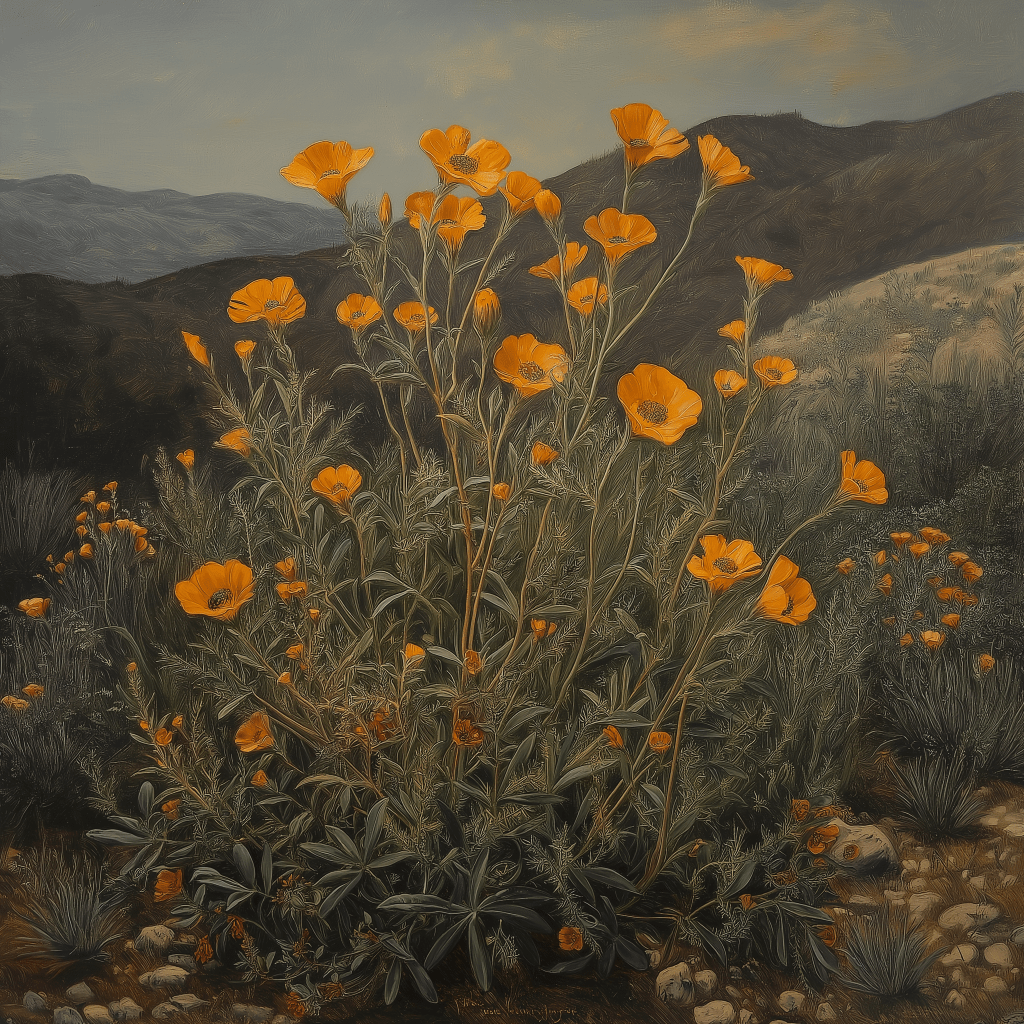
Native to California and parts of Mexico, the California poppy thrives in the state’s diverse landscapes, from coastal bluffs to inland valleys. Its bright orange petals, fern-like foliage, and adaptability make it a favorite among gardeners and nature enthusiasts. The poppy’s ability to flourish in poor, dry soils and its drought tolerance further endear it to Californians.
Read: Greening Your Space: 10 Reasons to Choose California Native Plants
From Wildflower to State Emblem
The journey of the California poppy to becoming the state’s official flower was a testament to its popularity and significance. In the early 1900s, various groups advocated for a state flower, and the California poppy emerged as a natural choice. Its widespread presence and cultural importance led to its designation as the official state flower in 1903.
The Phenomenon of Super Blooms
A “super bloom” occurs when a wet rainy season triggers the germination of dormant seeds, resulting in a spectacular display of wildflowers, including the California poppy. These blooms transform hillsides into seas of orange, attracting thousands of visitors each spring. Notable super blooms have occurred in areas like the Antelope Valley Poppy Reserve and Lake Elsinore.
Read: California Native Plants in Bloom in April
The Importance of Protecting Poppies During Super Blooms
While super blooms are a visual feast, they also present challenges. The influx of visitors can lead to trampling of delicate plants and soil compaction, hindering future growth. To protect these natural wonders, it’s essential to stay on designated trails, avoid picking flowers, and respect local regulations. Conservation efforts ensure that future generations can enjoy the beauty of California’s wildflower displays.
Embracing the Golden State’s Floral Legacy
The California poppy is more than just a flower; it’s a living testament to the state’s rich natural heritage. By understanding its significance and taking steps to protect it, we can ensure that this golden bloom continues to grace California’s landscapes for years to come.
For more information on California’s native plants and conservation efforts, visit the Calscape’s entry on the California Poppy or the California Department of Parks and Recreation.
-
Why California Native Plants Are Key to Maintaining Local Biodiversity
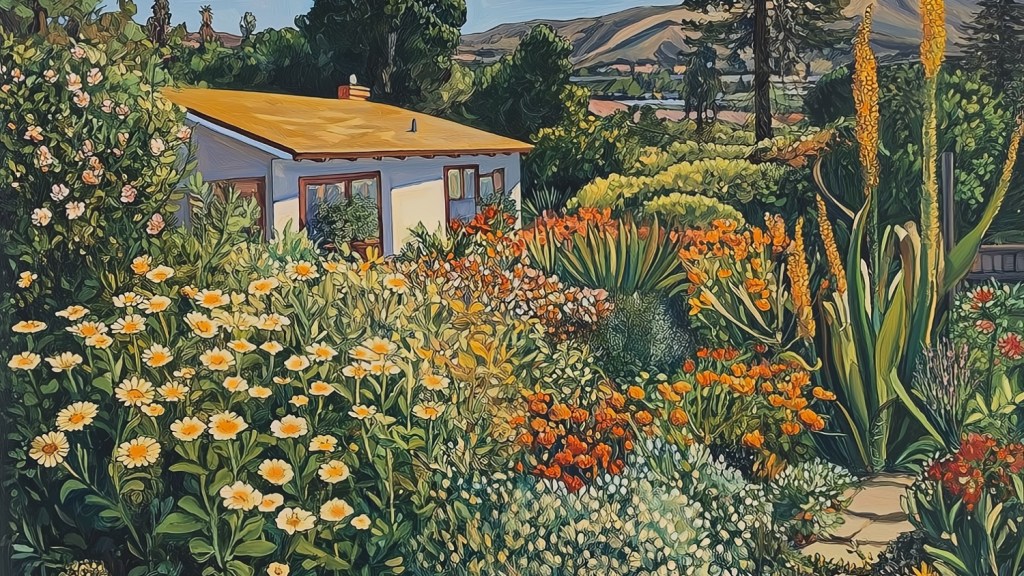
California is home to one of the most diverse ecosystems in the world, boasting an incredible array of plant and animal life. From the towering redwoods in the north to the dry, sunbaked deserts in the south, the state’s landscapes are teeming with life. But this rich biodiversity is at risk, and one of the most important ways we can help protect it is by supporting and promoting California native plants.
Native plants, which have evolved in the region over thousands of years, are essential to the delicate balance of California’s ecosystems. Not only are they beautifully adapted to the state’s unique climate, but they also play a crucial role in sustaining the local wildlife. In this post, we’ll explore why California native plants are key to maintaining biodiversity and how they support pollinators, birds, and other animals.
Native Plants Provide the Right Habitat for Local Wildlife
California’s native plants have co-evolved with local animals over millennia. As a result, these plants form the cornerstone of many ecosystems. They provide critical habitat for a wide range of wildlife, including mammals, birds, insects, and amphibians.
For example, California poppies, the state’s iconic flower, offer shelter and food for various insects and small creatures. The dense canopies of oak trees provide nesting sites for birds like woodpeckers, while their acorns are a primary food source for animals like squirrels and deer. Without native plants, these animals would lose the resources they rely on for shelter, food, and breeding.
Support for Pollinators
One of the most vital relationships in California’s ecosystems is the one between native plants and pollinators. Pollinators such as bees, butterflies, hummingbirds, and bats rely on native plants for nectar and pollen. In return, these pollinators help native plants reproduce by transferring pollen from flower to flower.
Read: Starting a Native Plant Garden in Southern California Hardiness Zone 10
California is home to over 1,600 species of native bees, many of which are critical for the pollination of our local plants. Non-native plants, which often lack the specific nectar or pollen that local pollinators need, can’t provide the same level of support. As the population of native bees and other pollinators declines, so too does the health of our ecosystems. By planting native species, we ensure that these vital creatures have the resources they need to thrive.
Food Source for Local Wildlife
Many of California’s native plants provide essential food sources for local animals. For instance, the seeds of grasses and wildflowers feed small rodents, while the berries from shrubs like manzanita or elderberry are a favorite treat for birds, mammals, and even insects.
Furthermore, California’s native plants are well adapted to the region’s climate, meaning they are more resilient to droughts and extreme weather events. This makes them a reliable food source for wildlife, even during times of water scarcity. In contrast, non-native plants may struggle to survive in California’s challenging conditions, providing inconsistent food sources for wildlife.
Native Plants Foster Biodiversity at the Ground Level
The presence of native plants helps maintain biodiversity not only at the top of the food chain, but also at the soil level. Native plants contribute to healthy soil by supporting a wide range of microorganisms, fungi, and bacteria that help break down organic material. This process improves soil fertility and creates a robust environment for other plants and animals to thrive.
Invasive, non-native plants often don’t have these same soil-building properties. They may deplete soil nutrients or alter the ecosystem in ways that harm native species. Invasive plants can outcompete native plants, leading to a decrease in overall biodiversity. For example, species like yellow starthistle have become widespread in California and are taking over native grasslands, crowding out the plants that native animals depend on.
Native Plants Help Maintain Ecosystem Stability
California’s native plants are well adapted to the state’s climate and weather patterns. Many of them are drought-tolerant and can survive on minimal water once established. This is particularly important in a state that frequently faces water shortages. Native plants are also naturally resistant to pests and diseases, which helps keep ecosystems in balance.
Read: Drought Tolerant vs. Native Plants
In contrast, non-native plants often require extra water, fertilizer, and pest management to survive. These demands can strain local resources and disrupt the natural balance of the ecosystem. For example, some invasive plants release chemicals into the soil that inhibit the growth of nearby plants, further destabilizing the environment.
Native Plants Promote Climate Adaptation
As climate change accelerates, ecosystems are being pushed to adapt at a much faster rate. Native plants, however, are naturally equipped to handle many of these changes. They are resilient to shifts in temperature and rainfall patterns, and their deep root systems help them survive prolonged droughts. By preserving and planting native plants, we help California’s ecosystems remain adaptable in the face of climate change.
Additionally, native plants help restore ecological functions that are critical to maintaining climate resilience. For example, native plants can improve water retention in soils, reduce soil erosion, and create carbon sinks that help mitigate the effects of climate change.
The Cultural and Economic Importance of Native Plants
In California, native plants are not just important for environmental reasons—they also hold deep cultural significance. For thousands of years, Indigenous peoples have relied on native plants for food, medicine, and materials. By promoting the use of native plants in landscaping and restoration projects, we honor and preserve this cultural heritage.
Read: How Bad are Artificial Turf Lawns?
On an economic level, native plants can also help reduce water usage and maintenance costs in urban landscaping. California’s increasing population puts pressure on water resources, and replacing water-intensive, non-native plants with drought-tolerant natives can help conserve this precious resource.
Protecting California’s Native Plants is Protecting Our Biodiversity
In a state as ecologically diverse as California, the importance of native plants cannot be overstated. They form the backbone of healthy ecosystems, providing food, shelter, and crucial resources for wildlife. By preserving, restoring, and planting native plants, we can help safeguard California’s biodiversity and ensure that future generations can experience the natural beauty and complexity of our ecosystems.
Whether you’re a gardener, a landowner, or simply a nature enthusiast, supporting California native plants is one of the most impactful ways you can contribute to the protection of our local wildlife and the health of our environment. Start small—planting native species in your garden can be a simple yet powerful step toward creating a thriving, biodiverse landscape. The future of California’s ecosystems depends on the choices we make today.
-
The Role of California Native Plants in Supporting Native Pollinators

When we think about the beauty of California’s landscapes, it’s often the vibrant wildflower fields, sweeping deserts, and rugged coastal regions that come to mind. However, beyond their aesthetic appeal, these landscapes are home to an essential ecological network that sustains life across the region. At the heart of this network are pollinators, particularly bees and butterflies, which play a critical role in maintaining biodiversity and the health of our ecosystems.
One of the best ways to support these native pollinators is by planting California native plants in our gardens and landscapes. These plants have evolved alongside native pollinators, and they offer a range of benefits that help ensure the survival and thriving of our vital insect populations.
Read: California Native Plants in Bloom in April
Here’s why planting California native plants is so important for supporting bees, butterflies, and other pollinators.
Native Plants Are Specialized for Native Pollinators
California’s native pollinators, such as the endangered Valley Carpenter Bee, the Western Bumblebee, and the Monarch Butterfly, have evolved over millennia to rely on a unique set of plants. These native plants have developed flowers that are specifically suited to the needs of local bees and butterflies, from the shape and size of the flowers to their nectar and pollen production.
For example, native plants like the California Poppy and Redbud Tree provide rich nectar that is perfect for local pollinators. Native bees, such as the solitary bees, are often more efficient at pollination because they have evolved in tandem with the flowers they pollinate. Non-native plants, while beautiful, often do not provide the same level of nectar or pollen or may be inaccessible to our native pollinators, further stressing already declining populations.
Read: Starting a Native Plant Garden in Southern California Hardiness Zone 10
Encouraging Biodiversity and Resilience
By planting native species, we support a healthier and more resilient ecosystem. Pollinators are key to ensuring the reproduction of plants, including many species that are important for food crops, wild habitats, and the health of our forests. When we cultivate native plants, we promote biodiversity at all levels. Bees and butterflies are essential to this process, as they help native plants reproduce by transferring pollen between flowers.
Additionally, native pollinators support a balanced food chain. Birds, mammals, and other insects often rely on native plants for food, while the pollinators themselves rely on these plants for sustenance. By fostering an environment where native plants and pollinators can thrive, we help maintain ecological harmony and protect local wildlife from the pressures of habitat loss and environmental changes.
Supporting Pollinators in the Face of Habitat Loss
Urbanization, agriculture, and climate change are rapidly altering California’s landscapes. The natural habitats that native pollinators rely on are being destroyed, fragmented, or replaced with non-native species. This habitat loss is one of the leading factors behind the decline in pollinator populations.
Planting native species in urban gardens, parks, schools, and private landscapes is one way to help fill in the gaps left by habitat loss. A garden full of California native plants can provide a “pollinator oasis” in an otherwise inhospitable environment. Even small gardens or balcony planters can provide critical resources for pollinators during their migration or breeding seasons.
Read: How Bad are Artificial Turf Lawns?
Attracting Specific Pollinators for Specific Plants
Native plants are uniquely suited to attract and sustain certain species of pollinators. For example:
- Monarch Butterflies, which are increasingly threatened, depend on milkweed species like Narrowleaf Milkweed (Asclepias fascicularis) as their primary food source. Without milkweed, Monarch caterpillars cannot survive, and without Monarchs, the plant’s ability to reproduce is diminished. Planting this native plant supports the entire Monarch lifecycle.
- Honeybees and native bees are drawn to plants like California Lilac (Ceanothus spp.), Black Sage (Salvia mellifera), and Penstemon (Penstemon spp.), which provide abundant nectar that sustains these important insects.
- Bumblebees and other larger bees are attracted to plants like Indian Mallow (Abutilon palmeri) and California Buckwheat (Eriogonum fasciculatum), which have specific flower structures that accommodate their larger bodies and attract their attention with rich nectar.
Planting these species can help foster specific relationships between pollinators and plants, which are critical to the long-term survival of both.
Contributing to Pollinator Health with Reduced Chemical Exposure
Non-native plants often require fertilizers, pesticides, and herbicides to grow well in California’s climate, which can have harmful effects on pollinators. These chemicals can contaminate the nectar and pollen that bees and butterflies rely on, weakening their immune systems, reducing reproductive success, or even causing death.
Native plants, on the other hand, are adapted to the local environment and generally require fewer chemicals. They thrive with less water, fewer pesticides, and less human intervention. By planting native species, we reduce the exposure of pollinators to harmful chemicals and support healthier, more sustainable ecosystems.
Creating a Safe Habitat for Pollinator Lifecycle Stages
Pollinators do more than just visit flowers; they depend on plants for all stages of their life cycles. Some species of bees, for example, lay their eggs in the ground, where larvae can feed on the pollen and nectar from nearby plants. Butterflies require specific host plants on which their larvae can feed.
California native plants provide more than just flowers—they also offer shelter, nesting sites, and larval food for these important insects. For example, the Bluebell Penstemon (Penstemon cyaneus) provides food for adult pollinators, while California Fuchsia (Epilobium canum) offers habitat for larvae. These plants play a role not only in feeding pollinators but also in ensuring that the next generation has a safe environment to grow.
Creating Pollinator Corridors
In addition to individual gardens, planting native species in public spaces and throughout urban and rural areas can help create pollinator corridors. These corridors allow bees, butterflies, and other pollinators to travel between patches of habitat to find food, shelter, and mates. They are crucial for maintaining the health of pollinator populations, especially in areas where habitat loss has fragmented ecosystems.
For instance, planting strips of native plants along roadsides, in city parks, and even in agricultural fields can provide critical pathways for pollinators. By creating these interconnected corridors of native plants, we increase pollinator access to the resources they need to survive and thrive.
A Simple Step for a Sustainable Future
Planting California native plants is a simple yet powerful way to contribute to the health of our local ecosystems and support the important role of pollinators in sustaining biodiversity. Bees and butterflies are not only beautiful to observe, but they are essential to our food production, the health of our natural landscapes, and the wellbeing of countless species, including our own.
By choosing native plants for our gardens, we can help provide food, shelter, and safe passage for pollinators while also creating more resilient, low-maintenance landscapes. As we continue to face environmental challenges, the importance of protecting our pollinators cannot be overstated. So, let’s take action, one native plant at a time, to support these vital species and ensure that California’s natural beauty—and the life it supports—thrives for generations to come.
-
California Native Plants in Bloom in April
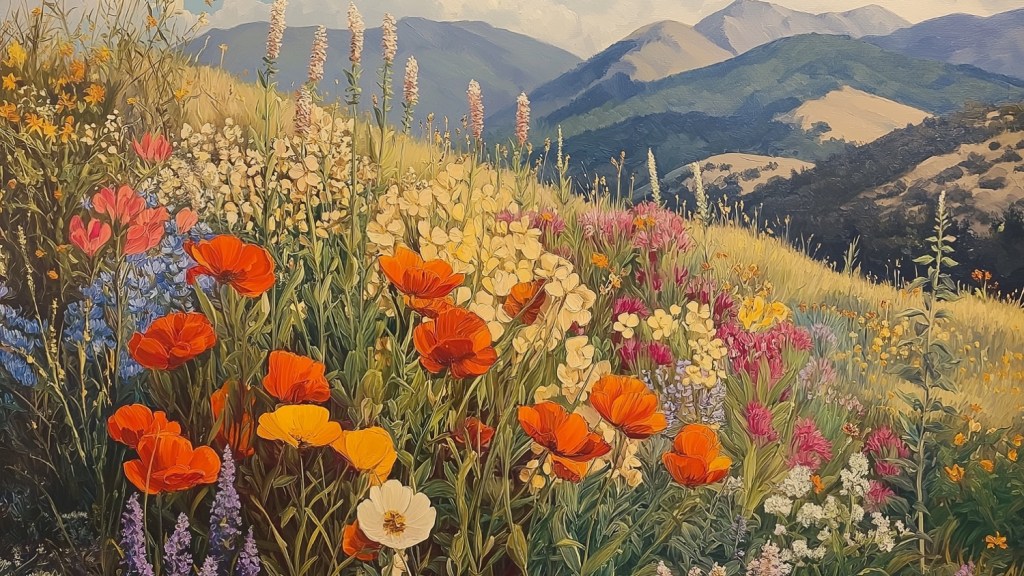
Spring is a magical time in Southern California, especially when the landscape comes alive with vibrant blooms from native plants. In April, the region is treated to an array of colors and fragrances, as many native plants reach their peak blooming season. These plants are not only visually stunning, but they also play an important role in supporting local ecosystems by providing food and habitat for pollinators like bees, butterflies, and hummingbirds.

Here are some of the most stunning California native plants that bloom in April throughout Southern California.
California Poppy (Eschscholzia californica)
The California Poppy, also known as the state flower, is an iconic native plant that lights up the fields and hillsides of Southern California. In April, the golden orange flowers of this hardy plant burst open in full bloom, creating vibrant displays across the landscape. Not only is it beautiful, but it’s also drought-tolerant, making it a perfect addition to water-wise gardens. Its bright petals are known to close up in the evening and on cloudy days, adding a touch of mystery to its already enchanting presence.
Desert Marigold (Baileya multiradiata)
The Desert Marigold is another native plant that makes its appearance in April, especially in arid or semi-arid regions like the desert foothills of Southern California. This plant features cheerful, yellow daisy-like flowers that stand tall on its spindly stems, creating a striking contrast against the backdrop of rocky terrain or desert landscapes. It’s a drought-tolerant perennial that thrives in poor soil conditions and provides vital nectar for pollinators during spring.
Redbud (Cercis occidentalis)
The Western Redbud is a deciduous shrub or small tree that becomes an eye-catching sight in Southern California come April. With its brilliant clusters of magenta or deep pink flowers, it adds a burst of color to the dry hillsides and coastal sage scrub areas where it thrives. The heart-shaped leaves and the bright blossoms are a welcome sight in the spring. Redbuds are great for attracting bees, butterflies, and hummingbirds, providing a valuable food source for these essential pollinators.
Black Sage (Salvia mellifera)
Black Sage is a fragrant, evergreen shrub that thrives in coastal and foothill areas of Southern California. In April, its small, tubular flowers bloom in clusters of soft purple or blue, drawing hummingbirds and bees with their nectar. This plant is highly adaptable, thriving in poor soil and dry conditions, and it is a staple in many native gardens for its drought tolerance and beautiful, aromatic foliage. The Black Sage is also known for its medicinal properties, with its leaves being used in traditional remedies for various ailments.
California Lilac (Ceanothus spp.)
California Lilac is a diverse genus of native plants that range from ground covers to large shrubs and small trees. These plants are known for their vibrant blue, purple, or white flowers that bloom abundantly in spring, often starting in March and continuing into April. In Southern California, you’ll often find Ceanothus species blooming in coastal areas, foothills, and even mountain slopes. Their nectar-rich flowers attract bees and butterflies, making them a fantastic choice for pollinator-friendly gardens.
Scarlet Bugler (Penstemon centranthifolius)
A striking perennial that thrives in Southern California’s dry, rocky soils, the Scarlet Bugler produces fiery red flowers that attract hummingbirds, butterflies, and bees throughout April. These plants have tall, spiky flower clusters that add vertical interest to gardens. Scarlet Bugler thrives in full sun and well-drained soil, and its ability to handle drought conditions makes it an ideal choice for low-maintenance landscaping in the region. Its bright red flowers are perfect for adding pops of color to your native plant garden.
California Buckwheat (Eriogonum fasciculatum)
California Buckwheat is an incredibly versatile and hardy shrub that blooms in April, producing clusters of small white or pinkish flowers. These flowers are known to attract a variety of pollinators, including bees and butterflies. It’s native to a wide range of habitats, from coastal scrub to chaparral. Aside from its beautiful blooms, California Buckwheat has attractive foliage that turns a reddish-brown color in the fall, adding year-round interest to your garden. It’s also highly drought-tolerant and thrives with minimal care.
Brittlebush (Encelia farinosa)
Brittlebush is a hardy perennial that flourishes in Southern California’s desert and foothill regions. In April, its bright yellow flowers open up, attracting pollinators like bees and butterflies. The plant’s silvery, woolly leaves reflect sunlight, providing a striking contrast to the vivid yellow blooms. Brittlebush is well adapted to the dry, hot climate of Southern California, thriving in well-drained soil and requiring very little water once established. Its cheerful flowers can brighten up even the most barren landscapes.
Chaparral Yucca (Hesperoyucca whipplei)
The Chaparral Yucca is a unique plant with tall, dramatic spikes that bloom in April, producing clusters of white, bell-shaped flowers. This species is native to the chaparral and coastal sage scrub areas of Southern California and is particularly striking in spring when the flowers appear atop its tall stalks. The plant’s stiff, spiky leaves give it a distinctive, architectural look, and the blossoms are known to attract hummingbirds and bees. It’s a low-maintenance, drought-tolerant addition to native plant gardens.
Monkey Flower (Mimulus spp.)
Monkey Flowers are a diverse group of plants native to Southern California, with many species blooming in April. These colorful flowers range in hues from yellow to red and are often spotted in streamside areas, canyons, and moist habitats. The vibrant blooms of Monkey Flowers are especially attractive to hummingbirds, bees, and butterflies. They are great for adding a splash of color to moist or partially shaded parts of your garden.
Why Choose Native Plants for Your Garden?
Native plants like the ones listed above not only offer beautiful blooms but also provide many benefits to local ecosystems. They are well-suited to Southern California’s unique climate, requiring less water, fertilizers, and pesticides than non-native species. Additionally, these plants provide vital food and shelter for native wildlife, helping to preserve biodiversity.
Planting native species in your garden can create a more sustainable and resilient landscape that celebrates the beauty and diversity of Southern California’s natural environment.
Whether you’re a seasoned gardener or a beginner, incorporating native plants into your garden will allow you to enjoy the vibrant beauty of Southern California’s springtime blooms. April is an excellent time to witness the breathtaking colors and delicate fragrances that these plants bring to life. So, get out there and enjoy the bloom season, and consider planting some of these native wonders in your own backyard!
-
The Sepulveda Dam: A Monument of Engineering and Urban Development
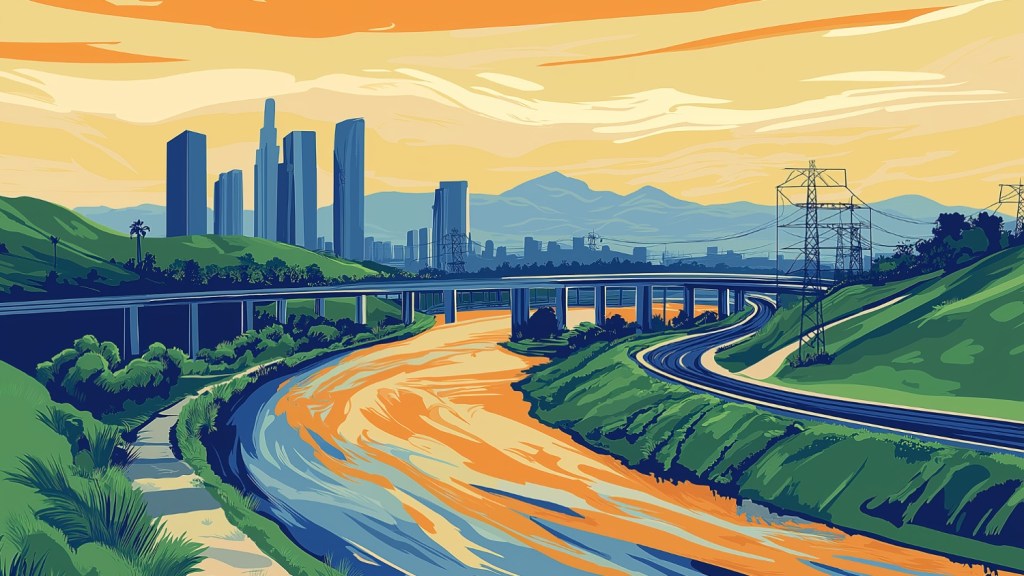
The Sepulveda Dam, located in the San Fernando Valley of Los Angeles, California, is a vital piece of infrastructure that reflects the city’s ongoing struggle to balance urban growth with natural forces. Built in the early 20th century, the dam was constructed to address the growing threat of flooding in the rapidly urbanizing Los Angeles Basin. Today, it stands as an enduring symbol of the city’s resilience, blending utility, history, and its role in reshaping the surrounding area.
This post delves into the history of the Sepulveda Dam, tracing its origins, design, construction, and its continued significance in the present day.
Los Angeles and Its Flooding Challenges
The story of the Sepulveda Dam begins with the history of the Los Angeles River and the periodic devastation caused by its flooding. For centuries, the river’s unpredictable path made it both a lifeline and a threat to the region. Early settlers, including the Tongva people, understood and adapted to the river’s natural tendencies. However, as the Los Angeles area transitioned from agricultural settlements to urban centers, managing the river became increasingly crucial.
The floods of 1914 and 1938 were particularly catastrophic, submerging vast swaths of the city and its surrounding areas. The 1938 flood alone resulted in over 100 fatalities, destroyed homes, and caused millions of dollars in damage (equivalent to billions in today’s terms). This disaster prompted urgent calls for a comprehensive flood control system to protect the burgeoning population and infrastructure.
The Flood Control Vision
In response to the devastating floods, the federal government authorized the Los Angeles County Drainage Area (LACDA) project, led by the U.S. Army Corps of Engineers. This ambitious initiative aimed to transform the Los Angeles River into a controlled waterway capable of handling heavy rainfall and reducing the risk of catastrophic floods.
Read: The Sepulveda Basin Wildlife Reserve: A Journey Through Time
Central to this plan was the construction of several dams, including the Sepulveda Dam, which would work in concert with a system of levees and concrete channels to manage the river’s flow. The location for the dam was chosen strategically: a flat, expansive area in the San Fernando Valley that could hold floodwaters and release them at a controlled rate downstream.
Design and Construction
The Sepulveda Dam was designed in the late 1930s, drawing on engineering innovations of the era. Its purpose was twofold: to act as a flood control structure and to create a retention basin for managing water during periods of heavy rainfall. Unlike many dams designed for water storage or hydroelectric power, the Sepulveda Dam’s primary function was to temporarily hold and gradually release water, mitigating flood risks in urban areas downstream.
Construction began in 1938 and was completed in 1941. Built of reinforced concrete, the dam spans approximately 6,500 feet in length and rises 57 feet above the valley floor. Its straightforward yet robust design prioritizes function over aesthetics, reflecting the urgent need for practical flood control solutions during that period.
The dam includes a massive spillway and gated outlets that allow engineers to control the release of water with precision. This system proved to be highly effective, providing a level of flood protection that reassured residents and facilitated further development in the surrounding areas.
Read: Observing the Sepulveda Basin Wildlife Reserve in July
World War II and the Sepulveda Basin
The completion of the Sepulveda Dam coincided with the United States’ entry into World War II. During this period, the dam and its surrounding area took on an additional role as a training ground for military operations. The Sepulveda Basin, the area behind the dam that serves as a floodwater storage zone, became a temporary site for military exercises and equipment testing.
After the war, the basin returned to its intended purpose as a flood control area. However, the infrastructure built during the war years laid the groundwork for future developments, including public recreation and environmental restoration projects.
Post-War Development and Urban Impact
The decades following World War II were marked by explosive growth in the San Fernando Valley. New neighborhoods, schools, and businesses sprang up around the Sepulveda Dam, taking advantage of the flood protection, it provided. The dam enabled large-scale development in areas that would have otherwise been uninhabitable due to flood risks.
However, this rapid urbanization also had unintended consequences. The Los Angeles River, once a natural and meandering waterway, became heavily channelized and disconnected from its ecosystems. Wildlife habitats were lost, and the natural beauty of the river was replaced by concrete infrastructure. The Sepulveda Dam and its associated flood control measures became emblematic of the trade-offs between safety and environmental stewardship.
The Sepulveda Basin: A Multifunctional Space
By the 1970s, interest in creating public spaces within the Sepulveda Basin began to grow. The U.S. Army Corps of Engineers and local governments recognized the potential for the basin to serve as more than just a flood control area. Projects were initiated to establish parks, sports fields, and the Sepulveda Basin Wildlife Reserve, which became a haven for native plants and animals.
The basin today is a diverse space that combines recreation, conservation, and flood control. Popular amenities include the Sepulveda Basin Recreation Area, Lake Balboa Park, and the Encino Golf Course. The area is a hub for outdoor enthusiasts, families, and nature lovers, offering a glimpse of what urban green spaces can achieve when thoughtfully integrated into city planning.
Challenges and Modern Relevance
As Los Angeles faces new challenges such as climate change and aging infrastructure, the Sepulveda Dam remains a crucial part of the region’s flood control system. However, its functionality and design are not without limitations. The dam was built to handle storms typical of the early 20th century, but the increasing intensity and unpredictability of modern weather events raise questions about its long-term efficacy.
Read: Southern California Planting Zones
To address these concerns, city planners and engineers are exploring ways to update the flood control system while incorporating ecological restoration and public engagement. Proposals such as the Los Angeles River revitalization plan aim to reimagine the river and its infrastructure, balancing flood control with the need for sustainable urban design.
Cultural Significance
The Sepulveda Dam has also become a cultural landmark, appearing in various films, television shows, and music videos over the years. Its stark concrete structure and open expanses have made it a favorite location for action sequences and dystopian landscapes, adding to its mystique as a piece of living Los Angeles history like this send sequence from the 1984 film Buckaroo Banzai.
Conclusion
The Sepulveda Dam is far more than a utilitarian structure—it is a cornerstone of Los Angeles’ growth and a reflection of the city’s evolving relationship with its environment. From its origins as a solution to catastrophic flooding to its role in enabling urban expansion, the dam’s history is interwoven with the story of Los Angeles itself.
Today, as the city grapples with new challenges, the Sepulveda Dam stands as a reminder of the ingenuity and determination that have defined its development. By preserving and adapting this vital piece of infrastructure, Los Angeles can continue to protect its residents while fostering a deeper connection between urban life and the natural world.
Sources
- “Los Angeles River and Sepulveda Dam,” U.S. Army Corps of Engineers Los Angeles District. Accessed November 2024. https://www.spl.usace.army.mil
- “Sepulveda Dam,” SoCal Landmarks. May 19, 2022. https://socallandmarks.com
- “The Great Los Angeles Flood of 1938,” Wikipedia. Accessed November 2024. https://en.wikipedia.org/wiki/Los_Angeles_flood_of_1938
- “Sepulveda Dam Basin Master Plan and Environmental Assessment,” Sepulveda Basin Wildlife Organization. Accessed November 2024. https://sepulvedabasinwildlife.org
- “History of Sepulveda Dam,” KCET Southern California. November 2024.
-
The Sepulveda Basin Wildlife Reserve: A Journey Through Time

Nestled in the heart of the San Fernando Valley in Los Angeles, the Sepulveda Basin Wildlife Reserve stands as a testament to the city’s commitment to balancing urban development with environmental preservation. This lush oasis, rich in biodiversity, offers a fascinating history and an inspiring example of conservation in a bustling metropolis. From its early history as a flood control area to its current role as a refuge for wildlife and Angelenos alike, the Sepulveda Basin encapsulates a unique blend of nature and urban ingenuity.
Early History: From Wetlands to Farmlands
The Sepulveda Basin’s story begins long before Los Angeles became a sprawling city. Historically, the area was part of an extensive wetland system created by the Los Angeles River, which meandered freely across the valley. These wetlands provided essential resources for the native Tongva people, who lived harmoniously with the land, relying on its abundance of plants and animals.
The arrival of Spanish settlers in the 18th century brought significant changes to the region. The establishment of missions and ranchos transformed much of the landscape, including the basin, into farmland and grazing land. By the late 19th and early 20th centuries, rapid urbanization began to encroach on these natural areas. The need for flood control became increasingly apparent as the Los Angeles River frequently overflowed during heavy rains, causing widespread damage to the surrounding communities.
Flood Control and the Birth of the Sepulveda Basin
The catastrophic floods of 1938 were a turning point for the San Fernando Valley and the broader Los Angeles region. These floods spurred the federal government to authorize the Los Angeles County Drainage Area (LACDA) project, which included channelizing the Los Angeles River and creating several flood control basins.
The Sepulveda Dam, completed in 1941, became a central feature of this system. The dam’s primary purpose was to protect downstream communities from floodwaters by storing excess water in the basin during heavy rains. While this engineering marvel achieved its goal, it also transformed the basin into a largely barren area devoid of natural vegetation.
Read: Observing the Sepulveda Basin Wildlife Reserve in May
The Rebirth of the Wildlife Reserve
By the mid-20th century, growing environmental awareness led to a push for restoring some of the basin’s natural ecosystems. In the 1970s, local conservationists and environmental groups began advocating for the creation of a wildlife reserve within the basin. Their efforts culminated in the establishment of the Sepulveda Basin Wildlife Reserve in 1979, a 225-acre area dedicated to preserving and enhancing native habitats.
The restoration process involved planting native vegetation, creating wetlands, and constructing a network of trails. Over time, these efforts transformed the reserve into a thriving habitat for a diverse range of species, including migratory birds, mammals, reptiles, and insects. Today, the reserve serves as a critical stopover for birds on the Pacific Flyway, one of the major migratory routes in North America.
A Haven for Biodiversity
The Sepulveda Basin Wildlife Reserve is home to a remarkable variety of flora and fauna. Its habitats include freshwater marshes, riparian woodlands, and grasslands, each supporting unique species.
Birdlife is particularly abundant in the reserve thanks to the observations conservation work of the Audubon Society. Over 200 bird species have been recorded here, ranging from great blue herons and snowy egrets to red-tailed hawks and peregrine falcons. The reserve’s wetlands are a magnet for waterfowl, while its trees provide nesting sites for songbirds and raptors.
Mammals such as coyotes, raccoons, and squirrels also thrive in the reserve, coexisting with the urban environment around them. Reptiles like western fence lizards and gopher snakes can often be spotted basking in the sun, while the wetlands are home to amphibians like Pacific tree frogs.
The reserve’s plant life is equally diverse, with native species such as California sycamores, willows, and mule fat dominating the landscape. These plants not only provide food and shelter for wildlife but also play a vital role in stabilizing the ecosystem and improving water quality.
Challenges and Conservation Efforts
Despite its successes, the Sepulveda Basin Wildlife Reserve faces numerous challenges. Urban encroachment, pollution, invasive species, and climate change all threaten the delicate balance of this ecosystem. Runoff from surrounding neighborhoods can introduce pollutants into the wetlands, while invasive plants like Arundo donax compete with native vegetation.
Local organizations, such as the Friends of the Sepulveda Basin Wildlife Reserve, work tirelessly to address these issues. Their efforts include organizing clean-up events with Friends of the LA River (FOLAR), removing invasive species and restoring native habitats with California Native Plant Society, and advocating for policies that protect the reserve. Additionally, educational programs and guided tours help raise awareness about the importance of preserving this urban sanctuary.
Follow the work: You can follow along with the restoration work in the Sepulveda Basin Wildlife Reserve on Instagram.
A Place for People
In addition to its ecological significance, the Sepulveda Basin Wildlife Reserve serves as a vital resource for the community. Its network of trails, picnic areas, and observation points offers Angelenos a peaceful retreat from the city’s hustle and bustle. Birdwatchers, hikers, and nature enthusiasts flock to the reserve to experience its beauty and tranquility.
The reserve also plays an important educational role, hosting school groups and nature programs that teach children about ecology, conservation, and the wonders of the natural world. These programs inspire the next generation to care for and protect the environment.
Looking to the Future
As Los Angeles continues to grow, the importance of places like the Sepulveda Basin Wildlife Reserve cannot be overstated. This urban sanctuary reminds us of the value of preserving green spaces in a rapidly developing world. Its history, from a flood control basin to a thriving wildlife reserve, demonstrates what can be achieved when communities come together to prioritize conservation.
Looking ahead, ongoing efforts to expand and enhance the reserve will be crucial. Projects such as the Los Angeles River revitalization plan, which aims to restore natural ecosystems along the river’s course, could further benefit the reserve and its surrounding areas. Collaboration between government agencies, local organizations, and residents will be essential to ensuring the reserve remains a vibrant haven for wildlife and people alike.
Read: Restoring the Sepulveda Basin Wildlife Reserve
Conclusion
The Sepulveda Basin Wildlife Reserve is more than just a patch of green in the middle of Los Angeles; it is a symbol of resilience and renewal. Its journey from wetlands to farmland, to a flood control basin, and finally to a wildlife reserve, reflects the evolving relationship between humans and the natural world.
Today, the reserve stands as a beacon of hope, proving that even in the heart of a bustling metropolis, nature can thrive. By protecting and cherishing places like the Sepulveda Basin, we not only preserve vital habitats for wildlife but also create spaces where future generations can connect with the natural world. In doing so, we ensure that the story of the Sepulveda Basin Wildlife Reserve continues to inspire for years to come.
-
Watering Newly Planted California Native Plants

California’s native plants are an amazing way to create beautiful, sustainable, and drought-tolerant landscapes. These plants are adapted to the local climate and soil conditions, making them ideal for water-wise gardens. However, newly planted California natives require special care, particularly when it comes to watering, to ensure they establish strong root systems and thrive in their new environment. Here’s a comprehensive guide on when and how to water your newly planted California native plants. This is especially true as spring turns into summer and the intense heat starts to settle in.
The Importance of Proper Watering
While mature California native plants are resilient and adapted to dry conditions, newly planted ones need consistent moisture to overcome transplant shock and establish their roots. Proper watering during the first one to two years is crucial for the long-term health and success of your plants.
When to Water Newly Planted California Native Plants
Immediately After Planting: Water your new plants thoroughly right after planting. This initial watering helps to settle the soil around the roots and eliminate any air pockets. Ensure that the entire root ball and surrounding soil are well-saturated.
The First Few Weeks: During the first two to three weeks, water the plants frequently to keep the root ball consistently moist. This usually means watering every 2-3 days, especially in hot or windy conditions. The goal is to maintain moisture in the root zone without making the soil waterlogged.
The First Six Months: After the initial few weeks, you can start to gradually back off the frequent watering. Aim for deep watering about once a week. Deep watering encourages roots to grow deeper into the soil, making the plants more drought-tolerant in the long run.
Read: Native Plant Nurseries Around the San Fernando Valley
The First Year: Throughout the first year, continue to water deeply but less often. Depending on your soil type and weather conditions, this could mean watering every 10-14 days. Always check the soil moisture before watering; if the soil is still moist from the previous watering, wait a few more days.
The Second Year and Beyond: By the second year, your plants should be more established. You can reduce watering even further, especially during the cooler months. In the second summer, you might only need to water every 3-4 weeks, depending on rainfall and temperature.
Read: Starting a Native Plant Garden in Southern California Hardiness Zone 10
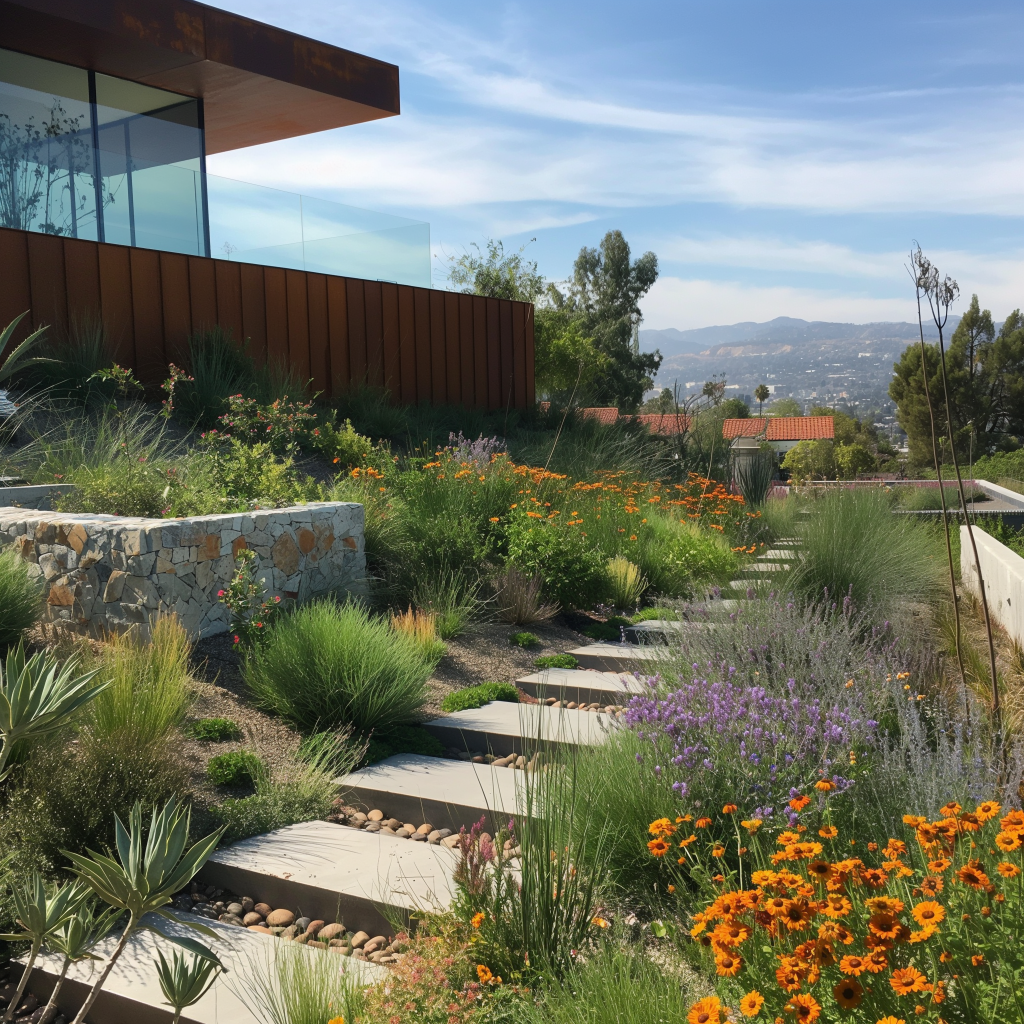
How to Water Newly Planted California Native Plants
For some plants, you can use se a Soaker Hose or Drip Irrigation: These methods deliver water directly to the soil, minimizing evaporation and ensuring that the water reaches the root zone. They also prevent water from sitting on the foliage, which can lead to fungal diseases.
Water Early in the Morning: Watering early in the morning reduces evaporation and allows the plants to absorb moisture before the heat of the day. This also reduces the risk of fungal diseases.
Avoid Overhead Watering: Sprinklers that spray water over the foliage can lead to fungal problems and waste water through evaporation. Focus on getting the water directly to the soil. Water deep and let the water soak into the ground fully.
Check Soil Moisture Regularly: Use a moisture meter or simply stick your finger into the soil to check moisture levels. The soil should be moist but not soggy. Adjust your watering schedule based on the soil’s moisture content.
Mulch Around the Plants: Applying a thick layer of mulch around your plants helps to retain soil moisture, regulate soil temperature, and suppress weeds. Organic mulches, like bark or compost, also improve soil structure as they decompose. When mulching, be sure to keep the material several inches away from the main trunk of the plant to limit exposure to rot and fungus. Also, when mulching, don’t just dust the area around the plant. Be sure to pile it thick, 3-5 un-compacted inches of woody material.
Read: Embracing the Fifth Season
Additional Tips for Watering California Native Plants
Know Your Soil Type: Sandy soils drain quickly and may require more frequent watering, while clay soils retain moisture longer and need less frequent watering. Understanding your soil type will help you tailor your watering schedule. It’s not recommended to amend the soil around new plantings. Instead, use mulch to address hard to grow in soils like heavy clay, rocky or chalky soils. If you’re in the deserts adding lots of mulch and compost will, over time, help build good soil structure.
Group Plants with Similar Water Needs: Planting natives with similar water requirements together can make it easier to manage your watering schedule and ensure that all plants receive the right amount of moisture. This is especially true for plants going in near lawns that get frequent watering.
Adjust for Weather Conditions: During periods of extreme heat or wind, you may need to water more frequently. Conversely, during cooler, wetter months, you can reduce your watering.
Be Patient: Establishing native plants takes time. With proper care during the first few years, your California natives will develop deep, resilient root systems and become increasingly drought-tolerant. The rule to remember is that at first plants sleep, then they creep, and then they thrive. What that means is when you plant California native plants, they may just sit. So have patience, keep the watering schedule and wait for them to fill in the space.
Remember, California native gardens take about three years to “fill-in.” What that means is that the tiny 1 gallon plant will take time to become the big full sized shrubs they’re destined to grow into.
Watering newly planted California native plants correctly is essential for their establishment and long-term health. By following these guidelines, you can help your plants thrive and create a beautiful, sustainable garden that requires less water and maintenance in the future. Remember, the key is to provide enough moisture to establish strong roots while gradually acclimating the plants to the natural rainfall patterns of California’s climate.
Planting Natives

 Exploring Urban Ecosystems and Patch Ecology