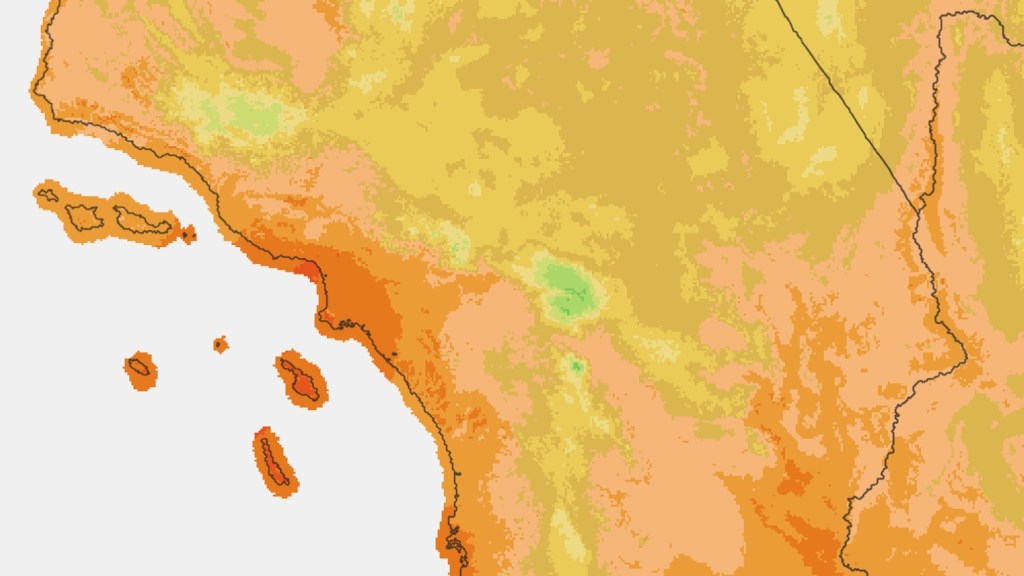
Southern California’s diverse climate and topography create a unique tapestry of planting zones, each with its own set of environmental conditions and challenges. From the coastal regions with salt spray to the hot arid inland valleys and the cool, and sometimes damp, mountain ranges, the variety of microclimates results in distinct planting zones that gardeners and horticulturists must consider when selecting and cultivating plants. Given the level of interest, especially as it relates to planting California native plants, I would like to delve into the reasons behind the existence of different planting zones in Southern California and explore the unique characteristics that make each zone special.
Why Different Planting Zones?
Southern California’s complex geography and climate variability contribute to the existence of different planting zones. Factors such as elevation, proximity to the coast, prevailing winds, and temperature variations all play a crucial role in defining these zones. The Pacific Ocean’s cooling influence, the coastal mountains, and the presence of desert areas all contribute to a wide range of microclimates across the region.
Read: Drought Tolerant vs. Native Plants
Understanding the USDA Hardiness Zones
The USDA Plant Hardiness Zone Map is a valuable tool that categorizes different areas based on their average annual minimum temperatures. In Southern California, the zones range from 5b to 11a. The higher the zone number, the warmer the climate, and the broader the range of plants that can thrive.
Exploring the Unique Planting Zones
Coastal Zones (Zones 10a-11a)
The coastal regions, with their mild and temperate climate, are the most sought-after areas for gardening. Zones 10a and 10b are characterized by their frost-free winters and cool summers. These zones are suitable for a wide variety of plants, from tropical species to Mediterranean flora. The moderating effect of the Pacific Ocean ensures that extreme temperatures are rare.
Read: Embracing the Fifth Season
Calling it a coastal zone may seem like a misnomer with the inland valleys seeming far from the marine influence of the Pacific. Yet it is exactly that influence that moderates the valleys and keeps them from becoming hot dry deserts.
Coastal zones include Thousand Oaks, Oxnard, Los Angeles, Simi Valley, Sherman Oaks, Lakewood, Santa Ana, Huntington Beach, San Clemente, and San Diego.
Read: The Impact of Climate Change on Planting Zones: A Look Ahead to 2050
Plants that do well in Coastal Zones 10a, 10b, and 11a:
- Blue-eyed Grass – Sisyrinchium bellumBush Sunflower – Encelia californica
- California Buckwheat – Eriogonum fasciculatum
- California Fuchsia – Epilobium canum
- Coast Live Oak – Quercus agrifolia
- Hummingbird Sage – Salvia spathacea
- Lemonade Berry – Rhus integrifolia
- Spiny Redberry – Rhamnus crocea
- Toyon – Heteromeles arbutifolia
- Western Sycamore – Platanus racemose
- White Sage – Salvia apiana
Read: Starting a Native Plant Garden in Southern California Hardiness Zone 10
Inland Valleys (Zones 9a-9b)
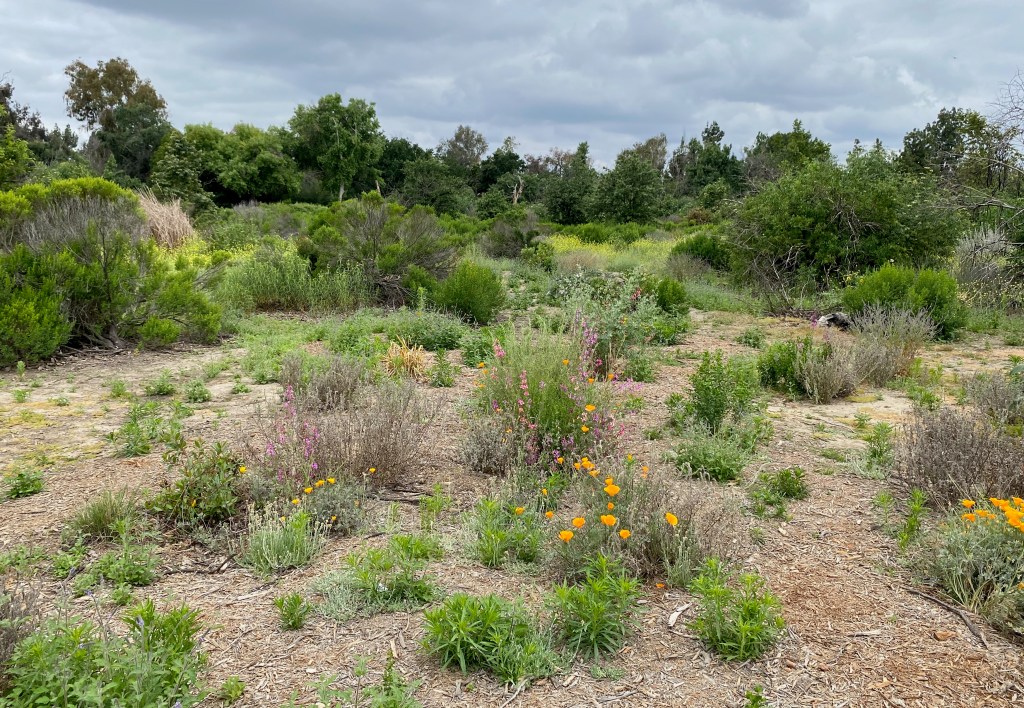
Moving slightly inland, the valleys experience warmer summers and cooler winters compared to the coastal regions. Zones 9a and 9b encompass cities like Los Angeles and San Diego. Gardeners in these zones need to select plants that can handle occasional frost and warmer summer temperatures.
Inland valleys include Riverside, San Bernardino, Redlands, and Santa Clarita.
Plants that grow well in Zones 9a-9b:
- Coulter’s Matilija Poppy – Romneya coulteri
- Big Saltbush – Atriplex lentiformis
- Bladderpod – Peritoma arborea
- Hollyleaf Redberry – Rhamnus ilicifolia
- Chaparral Yucca – Hesperoyucca whipplei
- Mulefat – Baccharis salicifolia
- California Sagebrush – Artemisia californica
- Purple Needlegrass – Stipa pulchra
- Common Yarrow – Achillea millefolium
- Coast Prickly Pear – Opuntia littoralis
- California Primrose – Oenothera californica
- Quailbush – Atriplex lentiformis ssp. Breweri
- Laurel Sumac – Malosma laurina
- As well as the list of plants in Zone 10.
Foothills and Mountain Zones (Zones 8a-8b)
As you ascend into the foothills and mountainous regions, the climate becomes more challenging. Zones 8a and 8b are characterized by colder winters, snowfall, and shorter growing seasons. While these zones present unique planting opportunities, gardeners need to choose hardy plants that can withstand cooler temperatures and shorter growing periods.
Read: The Hori Hori Garden Knife: A Versatile Tool Rooted in History
Zone 8a and 8b in Southern California include Lancaster, Victorville, Banning, Death Valley, Tehachapi, and Hemet.
Plants that grow well in Zone 8 in California include:
- Deergrass – Muhlenbergia rigens
- Fremont Cottonwood – Populus ferment
- Desert Willow – Chilopsis linearis
- Desert Globemallow – Sphaeralcea ambigua
- Interior California Buckwheat – Eriogonum fasciculatum var. polifolium
- Red Willow – Salix laevigata
- Hollyleaf Cherry – Prunus ilicifolia
- Desert Wild Grape – Vitis girdiana
- Antelope Bitterbrush – Purshia tridentata
- Tomcat Clover – Trifolium willdenovii
- Black Oak – Quercus kelloggii
- Scrub Oak – Quercus berberidifolia
- Red Osier Dogwood – Cornus sericea
- Incense Cedar – Calocedrus decurrens
- Jeffrey Pine – Pinus jeffreyi
- Black Cottonwood – Populus trichocarpa
Note, many may be regionally specific to your location, facing, and precipitation profile.
Desert Zones (Zones 5b-7b)
In the southeastern part of Southern California lies the desert region, with zones 5b to 7b. This area experiences hot, arid summers and chilly winters. Succulents, cacti, and other drought-tolerant plants are best suited to thrive in these zones, where water conservation is of great importance.
Areas of Southern California that include zones 5b-7b include Big Bear Lake, Alpine Village, Part of Inyo County, Fresno County, Bear Valley, Big Bear, Riverside County, San Bernardino County, and small parts of Los Angeles County. While this is a broad list, many areas are likely microclimates, peaks, or small areas in rain shadows and do not get large volumes of rain.
- coffeeberry – Frangula californica
- Sierra Redwood – Sequoiadendron giganteum
- California Goldenrod – Solidago velutina ssp. californica
- Giant Chain Fern – Woodwardia fimbriata
- Quaking Aspen – Populus tremuloides
- False Solomon Seal – Maianthemum stellatum
- Lodgepole Pine – Pinus contorta
- Balsam Fir – Abies concolor
- Interior Live Oak – Quercus wislizeni
- Ponderosa Pine – Pinus ponderosa
- Irisleaf Rush – Juncus xiphioides
Interestingly, many of the planting zones share species between them. California native plants, while diverse and widespread are amazingly hardy and resilient throughout, especially in native plant gardens with supplemental watering and care.
Read: Why I Garden
A great resource to consult is the website Calscape which has a handy tool to find the plants that grow specifically in your region.
Southern California’s diverse planting zones provide an incredible array of gardening opportunities, each with its challenges and rewards. Understanding the unique characteristics of each zone allows gardeners and horticulturists to select the right plants for their specific microclimate, ensuring a successful and vibrant garden. Whether you’re cultivating coastal blooms, valley greens, mountain treasures, or desert jewels, embracing the diversity of Southern California’s planting zones can lead to stunning landscapes that mirror the region’s rich ecological tapestry.
 Exploring Urban Ecosystems and Patch Ecology
5 responses to “Southern California Planting Zones”
[…] Read: Southern California Planting Zones […]
LikeLike
[…] Read: Southern California Planting Zones […]
LikeLike
[…] Read: Southern California Planting Zones […]
LikeLike
[…] Read: Southern California Planting Zones […]
LikeLike
[…] Read: Southern California Planting Zones […]
LikeLike