Navigating California’s Transition from Summer to Fall
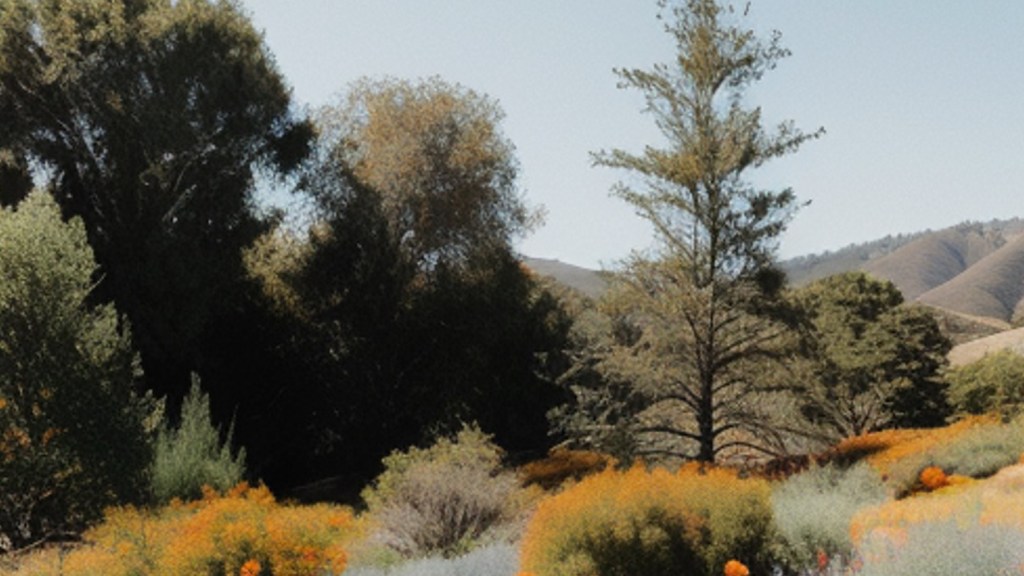
In the golden state of California, where buckwheat turns from cream to rust against the backdrop of deep blue skies and dry Santa Ana winds, there exists a unique phenomenon known as the “Fifth Season.” This transitional period, which falls between the end of summer and the onset of fall, carries a distinct character that sets it apart from the traditional four seasons. Often referred to as the “fire season” due to its association with wildfires and preceding the elusive late fall rains, the Fifth Season holds both challenges and beauty, shaping the lives and landscapes of those who call the SoCal Mediterranean climate home.
The Mediterranean Climate: A Precursor to the Fifth Season
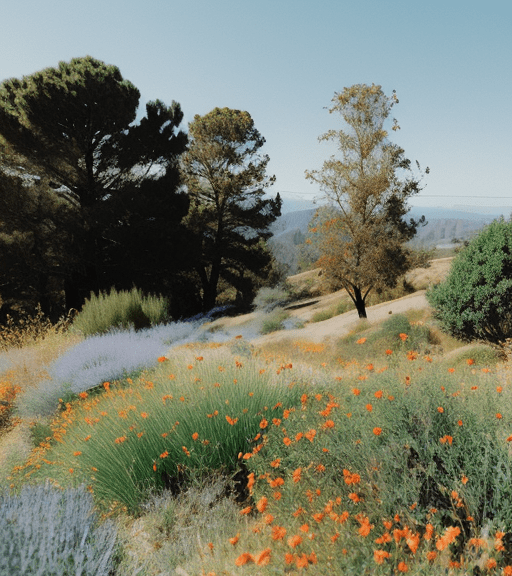
California’s Mediterranean climate, characterized by warm, dry summers and mild, wet winters, sets the stage for the Fifth Season. The region’s reliance on distinct wet and dry periods makes this transitional time essential for ecological balance and water availability.
Unlike other areas of the world, the climate in SoCal turns on a wet winter into spring and then a very dry (usually) summer into late winter. That’s not to say there isn’t some rain, Typically, summer into fall is dry, hot, and still before the winds come with the start of autumn.
Rea: Drought Tolerant vs. Native Plants
The Fifth Seasons Arrival: Embracing Change
This transitional period often begins in late August and extends into September, introducing Californians to a sense of anticipation and change. When it starts, the stillness and almost oppressive heat are like a cloak that smothers the breath and makes the air feel like a tight embrace. As summer’s heat gradually wanes, the Fifth Season emerges with a unique blend of characteristics. Towards the end, the air becomes crisper, and the sun’s intensity softens, offering respite from the scorching days of summer.
Read: Conserving Water in Southern California
Fire Season and Environmental Concerns
The term “fire season” is not without reason. As the Fifth Season progresses, the landscape becomes increasingly dry, creating favorable conditions for wildfires to ignite and burn the hillsides. This annual challenge poses a significant threat to both human communities and natural ecosystems. As a result, residents and authorities must be vigilant, implementing preventative measures and preparedness strategies to minimize the risk. And, as one can imagine, with climate change, fire season is often lasting longer and causing more havoc on communities that are increasingly springing up in the wildlife interface.
Fire seems to have always played a part in our existence, at least in the last 10+ millennia. Scientists and researchers have a suspicion that our ancient ancestors shaped the landscape and wiped out the megafauna with it. Yes, fires are a part of ancient tradition and larger ecological control, but it’s been part of our human history for a while now. In the Fifth Season, fire has become a constant threat.
Read: Native Plant Nurseries Around the San Fernando Valley
The Illusive Fall Rains
One of the most intriguing aspects of the Fifth Season is its precursor to the fall rains. These early autumn rains, often erratic and unpredictable, mark the end of the fire season and usher in a time of renewal. The smell of rain on parched earth signals a shift in the atmosphere, revitalizing flora and fauna.
This year, ahead of the Fifth Season, we have been graced with a deluging Tropical Storm that is said to be dropping 2-10 inches of water on the region. While the surprise water from the storm may be a welcome reprieve from having to water outside plants, It may have some damaging unforeseen impacts on seedbanks and ecosystems unaccustomed to rain this time of year.
Read: Why I Garden
Navigating the Fifth Season: Recreation and Reflection
Despite the challenges posed by wildfires, the Fifth Season also offers unique opportunities for Californians. The cooler temperatures encourage outdoor activities like hiking and camping, while the changing landscape provides a canvas for reflection and artistic inspiration. This is especially true as it stretches into September and October. The cool crisp air and the earlier setting sun sets the mood for many as the year races to its end.
Word of caution: even with the cooler crispier evenings, the daytime temps could still climb into triple digits. Heat exhaustion and sunstroke are still possible if working too long in the garden without sun protection.
Cultivating Resilience: The Fifth Seasons Lesson
In the heart of California’s Mediterranean climate, the Fifth Season bridges the gap between summer and fall, bringing a blend of challenges and transformative beauty.
The Fifth Season is a reminder of nature’s unpredictability and the necessity of adaptability. Californians have learned to embrace the challenges and beauty of this unique period. That knowledge fosters a sense of community and collective responsibility for safeguarding their environment, at least for those paying attention to that sort of thing. While the fire season presents difficulties, the imminent fall rains bring with them a renewal of the land and plants that grow on it. Navigating this transition, Southern Californians exemplify resilience, adaptability, and a deep connection to the natural world around them. The Fifth Season with its fires and rains, leaves an indelible mark on the state’s landscape and its people, shaping their perspectives on change and the enduring cycle of life.
 Exploring Urban Ecosystems and Patch Ecology
4 responses to “Embracing the Fifth Season”
[…] Read: Embracing the Fifth Season […]
LikeLike
[…] Read: Embracing the Fifth Season […]
LikeLike
[…] Read: Embracing the Fifth Season […]
LikeLike
[…] Read: Embracing the Fifth Season […]
LikeLike