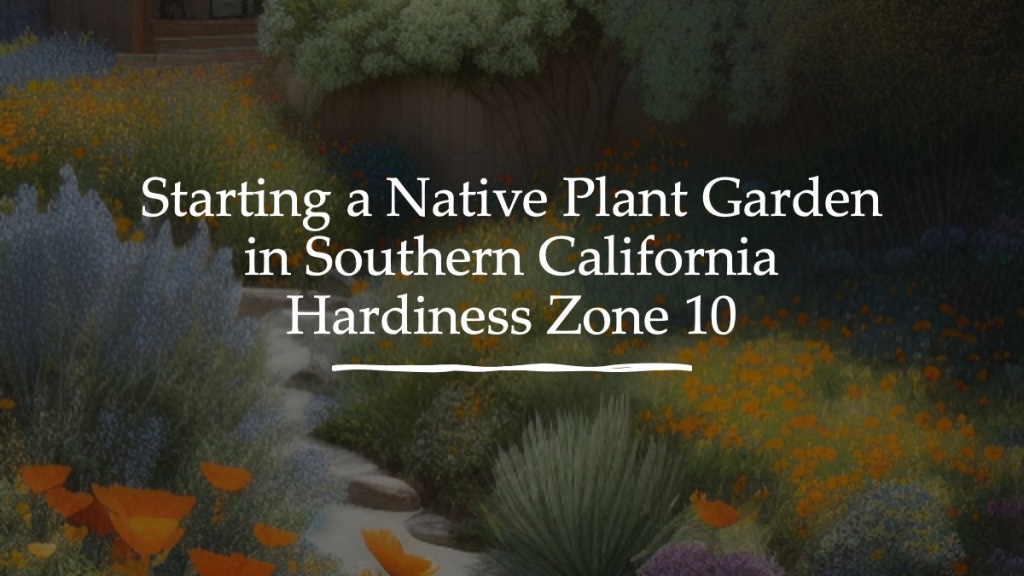
Gardening with native plants is becoming increasingly popular due to their many benefits, including improved soil health, reduced water use, and support of local wildlife populations. For those living in Southern California Hardiness Zone 10, there are numerous native plant species to choose from that can thrive in the unique climate and soils of the region. Given the challenges of planting here, this short comprehensive guide on starting a native plant garden in Zone 10 looks at which species to use and the benefits of doing so.
Read: Native Plant Nurseries Around the San Fernando Valley
Choosing Plants for Zone 10
When selecting plants for a native garden in Zone 10, it’s important to choose species that can handle the hot, dry summers, mild winters, and occasional frosts.
Fortunately, California has diverse geography offers a wide range of native plant species that can thrive in these conditions. Some of the most popular native plants for Zone 10 gardens include:
- Wildflowers
- Lupine (Lupinus). There are a number of native lupine species that are endemic to California. Silver lupine, sky lupine or Arroyo Lupin are just a few of these delicate drought friendly purple flowers that bloom mid-spring and self-seed year after year.California Poppy (Eschscholzia californica). This iconic flower is the state flower of California and blooms with brilliant orange and yellow hues in the spring and summer.
- Elegant Clarkia (Clarkia). A beautiful addition to the garden, clarkias are vibrant long-stemmed flowers that grow in clusters along mountainsides. Like the others, it will readily reseed where grown.
- Manzanita (Arctostaphylos spp.). These evergreen shrubs feature stunning red, white or pink flowers and provide year-round interest with their beautiful bark and foliage.
- Ceanothus (Ceanothus spp.). This flowering shrub is known for its stunning blue flowers and is an excellent choice for attracting pollinators to your garden.
- Toyon (Heteromeles arbutifolia). This tall, evergreen shrub produces beautiful white flowers in the summer and bright red berries in the fall and winter, making it an excellent choice for wildlife gardens.
- Sage (Salvia spp.). This herbaceous perennial is popular for its fragrant foliage and showy flowers that attract hummingbirds and other pollinators. It comes in a wide array of fragrant varieties with foliage that ranges from deep green to white. Popular varities include: White sage (Salvia apiana), Black sage (Salvia mellifera) and blue sage (Salvia clevelandii).
Some other personal favorites are yarrow, buckwheat and Palmer’s Mallow.
Read: Southern California Planting Zones
Watering Needs

One of the benefits of using native plants is that they are typically well-adapted to the local climate and require less water than non-native plants. However, it is still essential to water newly established plants regularly, especially during the first few months after planting. In general, when planting native plants in Zone 10 should be watered deeply once a week during the dry season and less frequently during the wet season.
Read: Drought Tolerant vs. Native Plants
A good watering pattern to follow for fresh/newly planted natives looks like:
- 2x a week for the first 2 weeks.
- 1x a week for the next 4 weeks
- 1x every 2 weeks for the next month
- 1 x every 2 weeks for the next month
- 1-2x per month through 12-24 months
The big takeaway with watering native plants after their initial establishment period is that they like deep and infrequent waterings that encourage the roots to push deeper into the soil around them as they grow and look for moisture and nutrients.
Also, this watering schedule is depends on the weather. A sudden heavy rain or a surprise heatwave will modify the watering schedule.
Read: Solar is the Only Option
The best time to plant California native plants in zone 10 is from late fall (end of October) until early May, depending on the weather. Too much rain or heat create less than ideal environments for plants to take root and thrive.
Mulching Native Plants
I am a firm believer in mulching. Not only does mulch help retain moisture in the soil, it also keeps the root zone of the plants cool, provides a source of slow nutrient re-investment as it breaks down (much like a forest floor) and provides a space for decomposer insects that help to transport nutrients and aerate the soil providing valuable oxygen to the top soil life.
Personally, I’ve found a lot of native plant gardeners are apprehensive about using mulch. In my own garden (and in soil profiles in the wild) when you look at that first 6 inches of soil, you can see the diversity of life there, especially when moisture is held in and the sunlight kept off.
Looking closely, you can find communities of mycorrhizal and other fungi thriving in those dark, damp aerated ecosystems living symbiotically with the plants growing around them.
Benefits for Wildlife
In addition to their beauty, native plants provide many benefits for local wildlife populations. Having co-evolved with local birds, insects, and other animals, native plants provide many species with food and habitat. By planting a native garden in Zone 10, you can help restore and support long lost local ecosystems and attract a diverse range of wildlife back into your yard. Some of the wildlife species that are attracted to a native garden in Zone 10 include:
- Hummingbirds. Many native plants in Zone 10 produce flowers that are rich in nectar, making them an excellent food source for hummingbirds.
- Butterflies. Native plants can provide both food and habitat for butterfly species, including the monarch butterfly.
- Bees. Native plants are essential for supporting bee populations, which are crucial for pollinating crops and other plants.
- Birds. Many native plants in Zone 10 produce berries and seeds that provide food for local bird species.
In addition to supporting local wildlife populations, native gardens can also help reduce the need for pesticides and fertilizers, which can be harmful to the environment.
Starting a native plant garden in Zone 10 is an excellent way to support local wildlife populations, reduce water use, and beautify your yard. By selecting native plants that can thrive in the local climate and providing them with proper watering and maintenance, you can help to restore lost ecosystems and support native wildlife.
Read: The Hori Hori Garden Knife: A Versatile Tool Rooted in History
 Exploring Urban Ecosystems and Patch Ecology
18 responses to “Starting a Native Plant Garden in Southern California Hardiness Zone 10”
Loved reading this
Great article! It’s wonderful to know that gardening with native plants can reduce water use while promoting soil health and wildlife populations. The guide for selecting plants for Zone 10 and the watering advice are very helpful.
Eamon
Easy Landscape Gardening
LikeLike
[…] Read: Starting a Native Plant Garden in Southern California Hardiness Zone 10 […]
LikeLike
[…] Read: Starting a Native Plant Garden in Southern California Hardiness Zone 10 […]
LikeLike
[…] Read: Starting a Native Plant Garden in Southern California Hardiness Zone 10 […]
LikeLike
[…] Read: Starting a Native Plant Garden in Southern California Hardiness Zone 10 […]
LikeLike
[…] Read: Starting a Native Plant Garden in Southern California Hardiness Zone 10 […]
LikeLike
[…] Read: Starting a Native Plant Garden in Southern California Hardiness Zone 10 […]
LikeLike
[…] Read: Starting a Native Plant Garden in Southern California Hardiness Zone 10 […]
LikeLike
[…] Read: Starting a Native Plant Garden in Southern California Hardiness Zone 10 […]
LikeLike
[…] Read: Starting a Native Plant Garden in Southern California Hardiness Zone 10 […]
LikeLike
[…] Read: Starting a Native Plant Garden in Southern California Hardiness Zone 10 […]
LikeLike
[…] Read: Starting a Native Plant Garden in Southern California Hardiness Zone 10 […]
LikeLike
[…] Read: Starting a Native Plant Garden in Southern California Hardiness Zone 10 […]
LikeLike
[…] Read: Starting a Native Plant Garden in Southern California Hardiness Zone 10 […]
LikeLike
[…] Read: Starting a Native Plant Garden in Southern California Hardiness Zone 10 […]
LikeLike
[…] Southern California’s desert and foothill regions. In April, its bright yellow flowers open up, attracting pollinators like bees and butterflies. The plant’s silvery, woolly leaves reflect sunlight, providing a […]
LikeLike
[…] Read: Starting a Native Plant Garden in Southern California Hardiness Zone 10 […]
LikeLike
[…] Read: Starting a Native Plant Garden in Southern California Hardiness Zone 10 […]
LikeLike