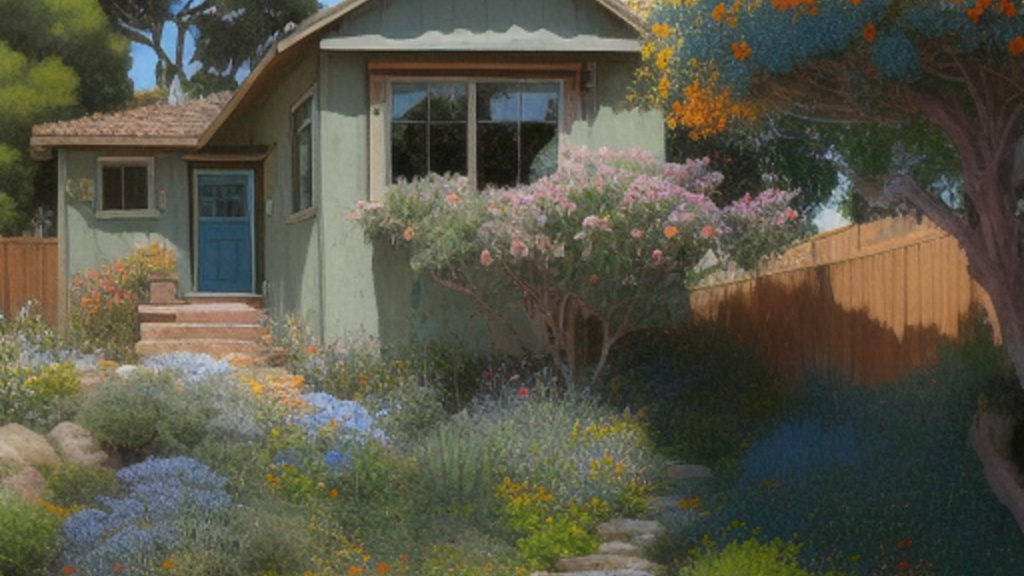
Drought-tolerant and native are two categories of plants with many overlapping similarities.
Drought-tolerant plants can go for long periods with low water availability without suffering damage or dying. This means they can usually tolerate long periods of drought and higher heat. Most of these plants have evolved to live in arid and semi-arid environments. Their foliage, stems, and roots evolved to manage water or reduce water loss through transpiration.
Drought-tolerant plants come from various regions, including deserts, grasslands, and Mediterranean climates.
Read: Solar is the Only Option
Many drought tolerant plants found at the big box stores, like Home Depot and Lowes, come from Australia or South Africa. Both regions prone to long periods of dry arid weather.
Using plants like this were part of my early mistakes in making a low-water, drought tolerant garden when I replaced my lawns. There were tons of options in the garden center. They had all the right words on the tags and signs: water-wise, drought tolerant, easy care. And they all came with a “money back guarantee” should they die in the first year.
Read: Desalination in Southern California: Balancing Water Supply, Ecosystem, and Economy
It wasn’t until I ran into issues of slow/no growth with root bound plants, a wildlife-dead zone (areas that bugs and birds avoided) and alien looking plants. There had to be other options.
Going native

This is why I decided to give California native plants a try.
Native plants are those that occur in a particular region or ecosystem. Having evolved and adapted to local conditions, native plants are the epitome of right plant for the right place. Being well suited to their local climate, native plants provide the essential habitat for local wildlife.
In a nutshell, native plants support the insects, birds and mammals that have evolved using them for sustenance.
Are native plants drought tolerant?
They can be. Native plants can be either drought-tolerant or not drought tolerant. Depending on their specific characteristics and the climate of their native range. Using California native plants as an example, the right plant in the right place isn’t a mantra for enthusiasts. It means the right plant can thrive in the right place. Most native plants adapted to the specific ecosystems they’ve evolved in. Some have wide-ranging habitats while others very narrow and specific ones. Planting a fern that is from a cool damp cloud forests in a zone 10b full sun yard and the native plant will show how unhappy it can be. That doesn’t mean it’s not drought tolerant.
Read: How To Start A Community Garden
So, all drought-tolerant plants are not native, and all native plants are not drought-tolerant. Yet, there are many native plants that are also drought tolerant. Because California native plants evolved to survive in regions with periodic droughts or low rainfall they are an excellent choices for water-wise gardens. They can thrive with minimal irrigation, reducing water consumption, providing ecological benefits.
Using native plants is a sustaining holistic approach and an excellent way to embrace the environment. While drought tolerant plants have a place in the garden, native plants make a for a better option.
 Exploring Urban Ecosystems and Patch Ecology
13 responses to “Drought Tolerant vs. Native Plants”
[…] Read: Drought Tolerant vs. Native Plants […]
LikeLike
[…] Read: Drought Tolerant vs. Native Plants […]
LikeLike
[…] Read: Drought Tolerant vs. Native Plants […]
LikeLike
[…] Rea: Drought Tolerant vs. Native Plants […]
LikeLike
[…] Read: Drought Tolerant vs. Native Plants […]
LikeLike
[…] Read: Drought Tolerant vs. Native Plants […]
LikeLike
[…] Read: Drought Tolerant vs. Native Plants […]
LikeLike
[…] Read: Drought Tolerant vs. Native Plants […]
LikeLike
[…] Read: Drought Tolerant vs. Native Plants […]
LikeLike
[…] Read: Drought Tolerant vs. Native Plants […]
LikeLike
[…] Read: Drought Tolerant vs. Native Plants […]
LikeLike
[…] Read: Drought Tolerant vs. Native Plants […]
LikeLike
[…] choosing the right native plant species, gardeners can create a thriving and water-efficient […]
LikeLike