-
The Benefits of California Native Plants for Fire-Resilient Landscaping

-
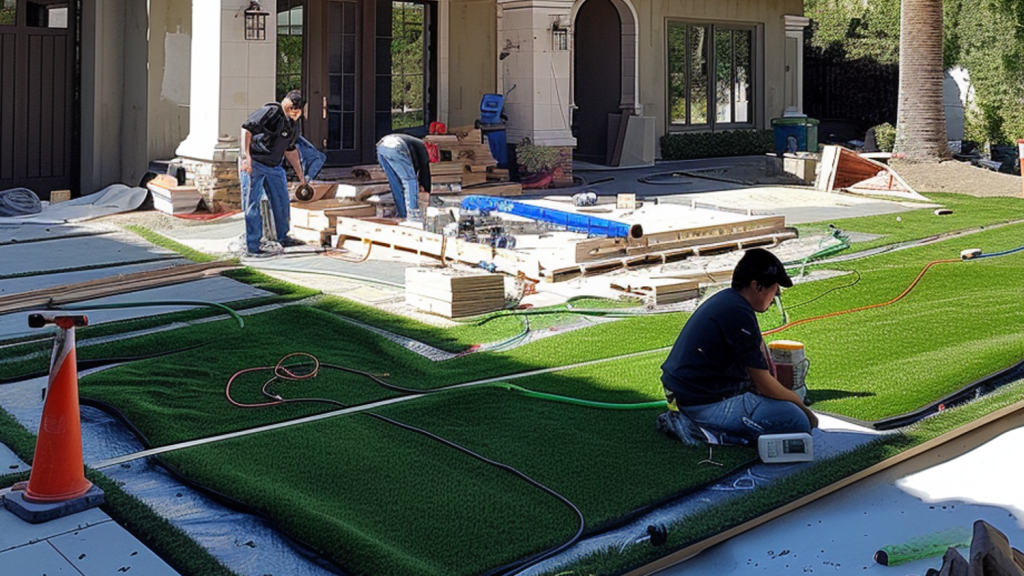
How Bad are Artificial Turf Lawns?
-
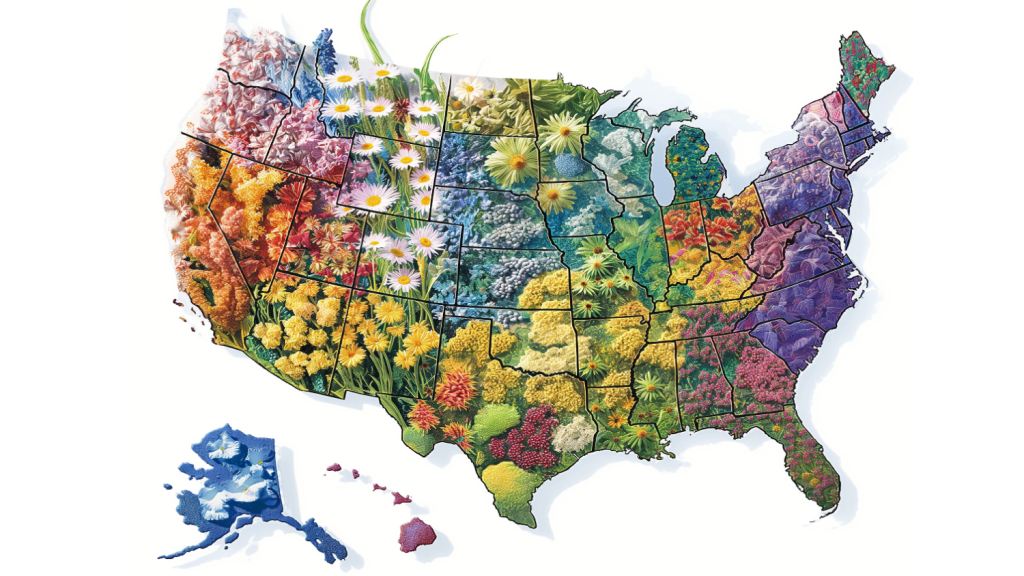
The Impact of Climate Change on Planting Zones: A Look Ahead to 2050
-
Late-Season Rain
-
Harvesting the Rain
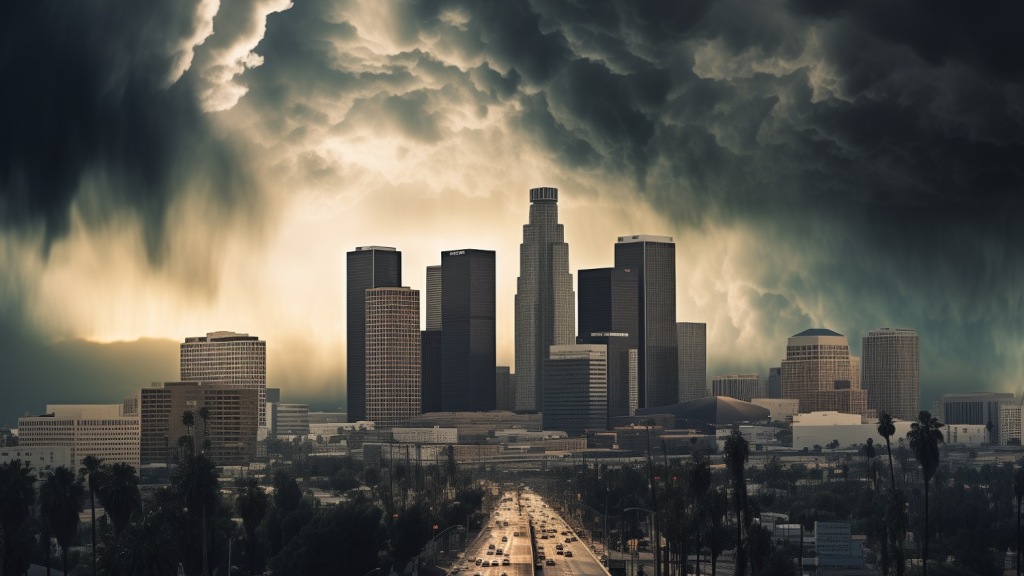
10 Ways to Save Rainwater in Southern California Southern California is known for its sunny skies and arid climate, making water conservation a top priority for residents and businesses alike. With rainfall often scarce, every drop counts. Fortunately, rainwater harvesting provides an eco-friendly solution to mitigate water scarcity and reduce reliance on traditional water sources.…
-
January Wild Flowers

-
Desalination in Southern California: Balancing Water Supply, Ecosystem, and Economy

-
Embracing the Fifth Season
-
Drought Tolerant vs. Native Plants
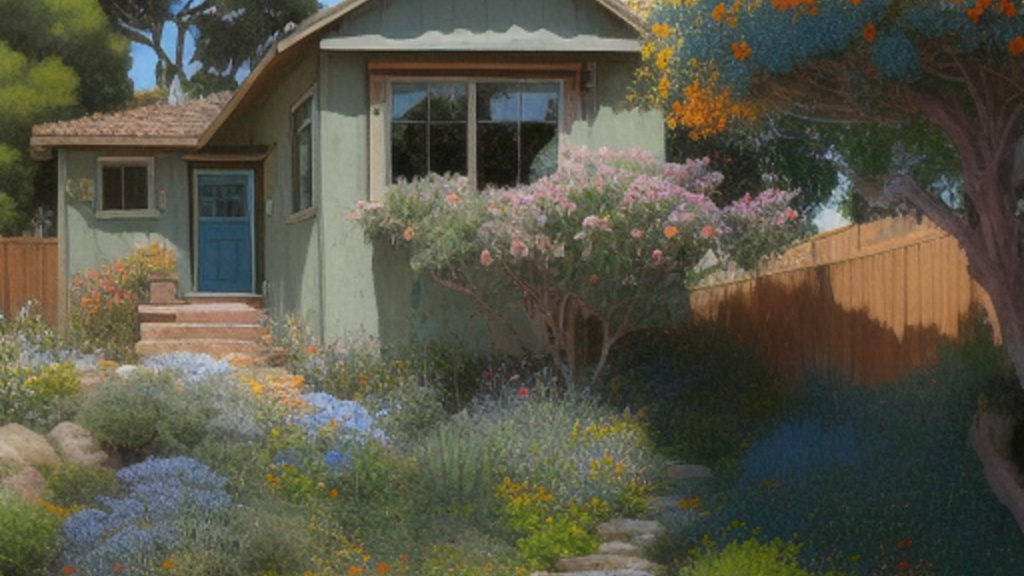
Drought-tolerant and native are two categories of plants with many overlapping similarities. Drought-tolerant plants can go for long periods with low water availability without suffering damage or dying. This means they can usually tolerate long periods of drought and higher heat. Most of these plants have evolved to live in arid and semi-arid environments. Their…
-
Solar is the Only Option

I am firmly concluding that solar energy is the only way to go. With fuel costs rising, drought becoming an annual occurrence in the west, and annual heat emergencies getting worse and worse. We need to find alternatives to old systems of energy production that, as the temperatures go up, continue to fail, and expose…
-
Subscribe
Subscribed
Already have a WordPress.com account? Log in now.
 Exploring Urban Ecosystems and Patch Ecology