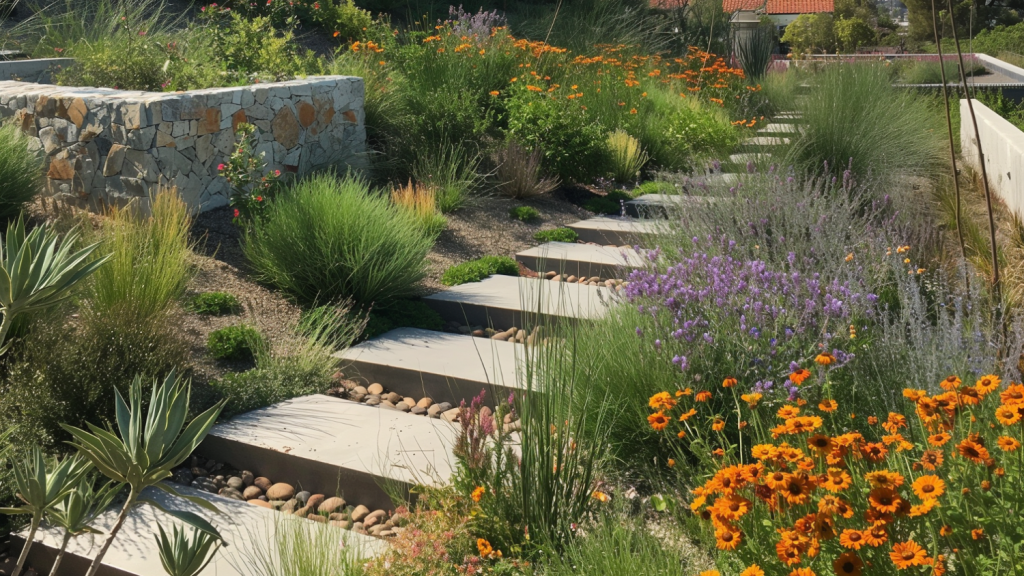
California’s native plants are an amazing way to create beautiful, sustainable, and drought-tolerant landscapes. These plants are adapted to the local climate and soil conditions, making them ideal for water-wise gardens. However, newly planted California natives require special care, particularly when it comes to watering, to ensure they establish strong root systems and thrive in their new environment. Here’s a comprehensive guide on when and how to water your newly planted California native plants. This is especially true as spring turns into summer and the intense heat starts to settle in.
The Importance of Proper Watering
While mature California native plants are resilient and adapted to dry conditions, newly planted ones need consistent moisture to overcome transplant shock and establish their roots. Proper watering during the first one to two years is crucial for the long-term health and success of your plants.
When to Water Newly Planted California Native Plants
Immediately After Planting: Water your new plants thoroughly right after planting. This initial watering helps to settle the soil around the roots and eliminate any air pockets. Ensure that the entire root ball and surrounding soil are well-saturated.
The First Few Weeks: During the first two to three weeks, water the plants frequently to keep the root ball consistently moist. This usually means watering every 2-3 days, especially in hot or windy conditions. The goal is to maintain moisture in the root zone without making the soil waterlogged.
The First Six Months: After the initial few weeks, you can start to gradually back off the frequent watering. Aim for deep watering about once a week. Deep watering encourages roots to grow deeper into the soil, making the plants more drought-tolerant in the long run.
Read: Native Plant Nurseries Around the San Fernando Valley
The First Year: Throughout the first year, continue to water deeply but less often. Depending on your soil type and weather conditions, this could mean watering every 10-14 days. Always check the soil moisture before watering; if the soil is still moist from the previous watering, wait a few more days.
The Second Year and Beyond: By the second year, your plants should be more established. You can reduce watering even further, especially during the cooler months. In the second summer, you might only need to water every 3-4 weeks, depending on rainfall and temperature.
Read: Starting a Native Plant Garden in Southern California Hardiness Zone 10
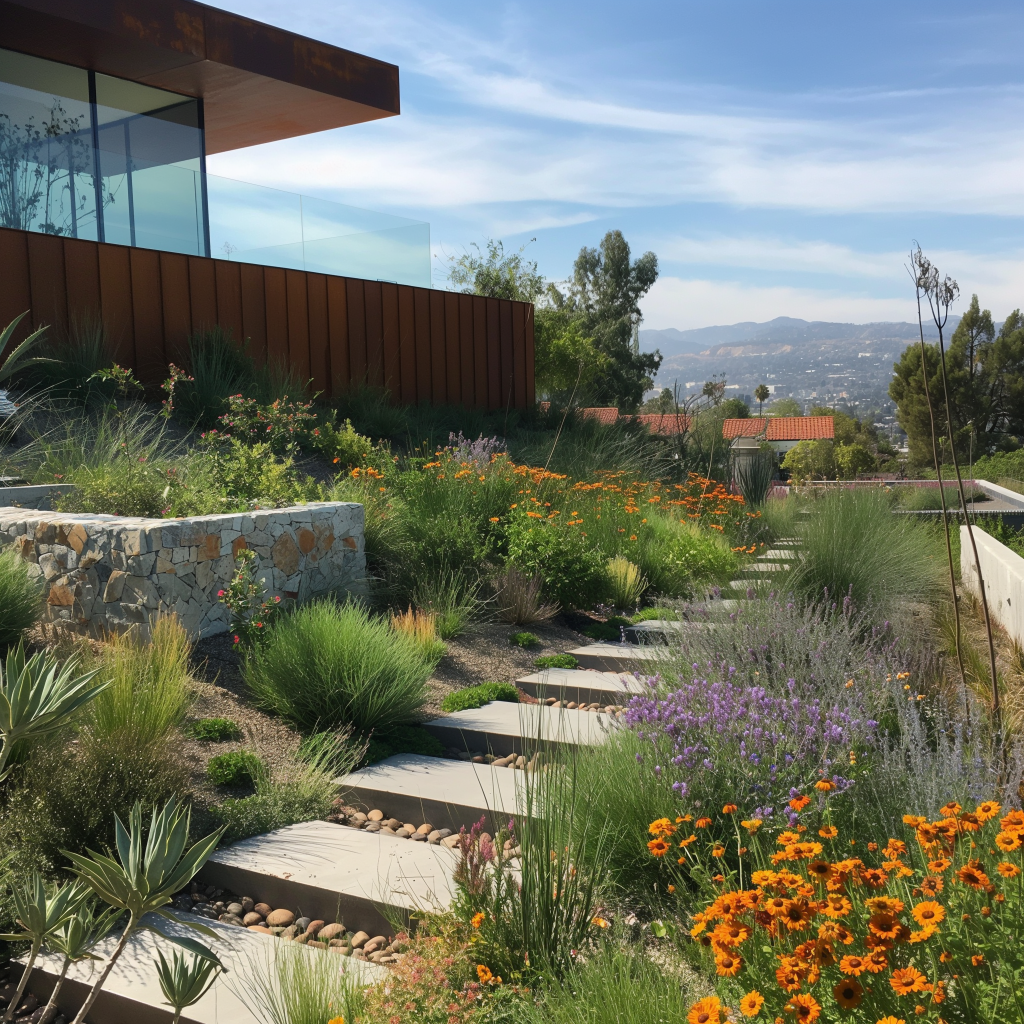
How to Water Newly Planted California Native Plants
For some plants, you can use se a Soaker Hose or Drip Irrigation: These methods deliver water directly to the soil, minimizing evaporation and ensuring that the water reaches the root zone. They also prevent water from sitting on the foliage, which can lead to fungal diseases.
Water Early in the Morning: Watering early in the morning reduces evaporation and allows the plants to absorb moisture before the heat of the day. This also reduces the risk of fungal diseases.
Avoid Overhead Watering: Sprinklers that spray water over the foliage can lead to fungal problems and waste water through evaporation. Focus on getting the water directly to the soil. Water deep and let the water soak into the ground fully.
Check Soil Moisture Regularly: Use a moisture meter or simply stick your finger into the soil to check moisture levels. The soil should be moist but not soggy. Adjust your watering schedule based on the soil’s moisture content.
Mulch Around the Plants: Applying a thick layer of mulch around your plants helps to retain soil moisture, regulate soil temperature, and suppress weeds. Organic mulches, like bark or compost, also improve soil structure as they decompose. When mulching, be sure to keep the material several inches away from the main trunk of the plant to limit exposure to rot and fungus. Also, when mulching, don’t just dust the area around the plant. Be sure to pile it thick, 3-5 un-compacted inches of woody material.
Read: Embracing the Fifth Season
Additional Tips for Watering California Native Plants
Know Your Soil Type: Sandy soils drain quickly and may require more frequent watering, while clay soils retain moisture longer and need less frequent watering. Understanding your soil type will help you tailor your watering schedule. It’s not recommended to amend the soil around new plantings. Instead, use mulch to address hard to grow in soils like heavy clay, rocky or chalky soils. If you’re in the deserts adding lots of mulch and compost will, over time, help build good soil structure.
Group Plants with Similar Water Needs: Planting natives with similar water requirements together can make it easier to manage your watering schedule and ensure that all plants receive the right amount of moisture. This is especially true for plants going in near lawns that get frequent watering.
Adjust for Weather Conditions: During periods of extreme heat or wind, you may need to water more frequently. Conversely, during cooler, wetter months, you can reduce your watering.
Be Patient: Establishing native plants takes time. With proper care during the first few years, your California natives will develop deep, resilient root systems and become increasingly drought-tolerant. The rule to remember is that at first plants sleep, then they creep, and then they thrive. What that means is when you plant California native plants, they may just sit. So have patience, keep the watering schedule and wait for them to fill in the space.
Remember, California native gardens take about three years to “fill-in.” What that means is that the tiny 1 gallon plant will take time to become the big full sized shrubs they’re destined to grow into.
Watering newly planted California native plants correctly is essential for their establishment and long-term health. By following these guidelines, you can help your plants thrive and create a beautiful, sustainable garden that requires less water and maintenance in the future. Remember, the key is to provide enough moisture to establish strong roots while gradually acclimating the plants to the natural rainfall patterns of California’s climate.
 Exploring Urban Ecosystems and Patch Ecology
3 responses to “Watering Newly Planted California Native Plants”
[…] Read: Watering Newly Planted California Native Plants […]
LikeLike
[…] Read: Drought Tolerant vs. Native Plants and Watering Newly Planted California Native Plants […]
LikeLike
[…] Read: Watering Newly Planted California Native Plants […]
LikeLike