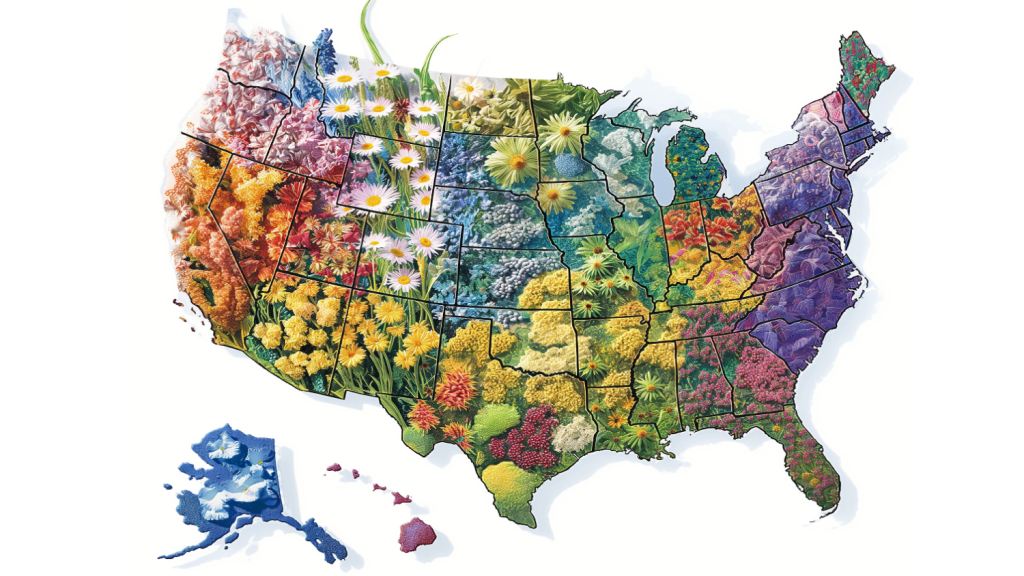
As climate change continues to reshape our world, one of the more immediate and visible impacts is on planting zones. These zones, defined by the United States Department of Agriculture (USDA) and used by gardeners and farmers to determine what plants are most likely to thrive in a given location, are shifting due to rising global temperatures and changing precipitation patterns. Understanding how and why these changes are happening, and how fast they are expected to occur, is crucial for agriculture, horticulture, and the broader ecological balance.
Read: Southern California Planting Zones
What Are Planting Zones?
Planting zones, also known as hardiness zones, are geographic areas defined by their climatic conditions, particularly the average annual minimum winter temperature. In the U.S., the USDA Plant Hardiness Zone Map is a standard by which gardeners and growers can determine which plants are most likely to survive and thrive at a location.

How Climate Change Is Shifting Planting Zones
Climate change is causing significant shifts in planting zones due to the following factors:
- Rising Temperatures: Average global temperatures have increased by about 1.2°C (2.2°F) since pre-industrial times. This warming trend means that areas are experiencing milder winters, which allows for plants typically suited for warmer zones to survive further north.
Read: How Bad are Artificial Turf Lawns?
- Changing Precipitation Patterns: Changes in rainfall patterns are altering soil moisture and water availability, critical factors for plant growth. Some regions are experiencing more intense rainfall, while others face prolonged droughts, both of which affect the types of plants that can be successfully cultivated.
- Extended Growing Seasons: Warmer temperatures are leading to longer growing seasons. This can be beneficial for certain crops but also poses challenges such as increased pest and disease pressures, which were previously mitigated by colder winters.
- Extreme Weather Events: The increase in frequency and severity of extreme weather events like heatwaves, frosts, and storms can disrupt planting schedules and crop yields, making it difficult to rely on historical planting zone data.
How Fast Are Planting Zones Changing?
The pace at which planting zones are changing is remarkable. According to the National Oceanic and Atmospheric Administration (NOAA), the average temperature in the contiguous United States has increased by approximately 0.14°F per decade since the early 20th century, with more pronounced warming in recent decades. This warming translates into a northward shift of planting zones. Some studies suggest that planting zones could shift northward by approximately 13 miles per decade.
Read: Starting a Native Plant Garden in Southern California Hardiness Zone 10
By 2050, if current trends continue, many regions could see their planting zones shift by a full zone or more. For example, areas currently in Zone 5 could resemble what is now Zone 6 or even Zone 7. This would dramatically alter the types of plants that can be grown in these areas.
Implications for Gardeners and Farmers
Adaptation Strategies: Gardeners and farmers will need to adapt by selecting plant varieties better suited to the changing climate. This may involve experimenting with new crops and cultivars that are more resilient to heat and drought.
Investment in Research: Continued investment in agricultural research is crucial. Developing new plant varieties that can withstand the changing climate and providing guidance to growers on best practices will be essential.
Sustainable Practices: Emphasizing sustainable farming practices, such as water conservation, soil health management, and integrated pest management, can help mitigate some of the adverse effects of climate change.
Awareness and Education: Educating the public and the agricultural community about the impacts of climate change on planting zones is essential for preparing and adapting to these changes.
Read: Southern California Planting Zones
Looking Forward to 2050
As we approach 2050, the shift in planting zones will be one of the many indicators of our changing climate. The adaptation required will be significant but not insurmountable. By understanding the science behind these changes and preparing accordingly, we can ensure that our gardens, farms, and ecosystems remain productive and resilient in the face of a changing climate.
The urgency of addressing climate change cannot be overstated, as the impacts on agriculture and biodiversity are profound. Proactive measures today will shape a sustainable and adaptable future for generations to come.
 Exploring Urban Ecosystems and Patch Ecology
3 responses to “The Impact of Climate Change on Planting Zones: A Look Ahead to 2050”
[…] Read: The Impact of Climate Change on Planting Zones: A Look Ahead to 2050 […]
LikeLike
[…] Read: The Impact of Climate Change on Planting Zones: A Look Ahead to 2050 […]
LikeLike
[…] Read: The Impact of Climate Change on Planting Zones: A Look Ahead to 2050 […]
LikeLike