Impact on Southern California Native Plants
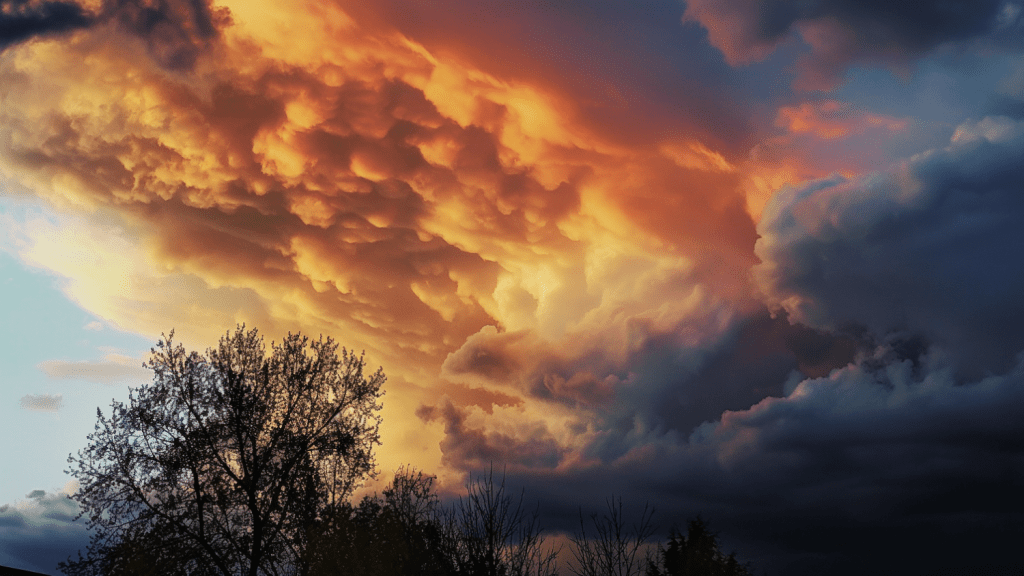
As the rain clouds gather and the late-season showers descend upon California, it’s essential to understand the intricate relationship between these rainfalls and the native plants that call this diverse landscape home.
California’s native flora boasts an array of species adapted to various climatic conditions, but how do they fare when faced with too much late-season rain Technically the rainy season in California runs from October to September with most of the rain falling December through February. Late-season rain on California’s native plants can present both the challenges and opportunities as it impacts new and late season foliage.
Understanding the Effects of Late-Season Rain

Late-season rain can wield a double-edged sword when it comes to California’s native plants. On one hand, it provides much-needed moisture in regions accustomed to dry spells, aiding in growth and rejuvenation. On the other hand, excessive rainfall can lead to a cascade of adverse effects, disrupting the delicate balance of these ecosystems. The key lies in understanding the nuanced responses of different plant species and habitats to late-season precipitation.
Read: Conserving Water in Southern California
Waterlogging and Root Health
One of the primary concerns associated with excessive late-season rain is waterlogging, a phenomenon where the soil becomes saturated with water, impeding oxygen flow to plant roots. This prolonged inundation can spell trouble for California’s native plants, particularly those adapted to drier conditions. Species such as California sagebrush (Artemisia californica) and chaparral shrubs may suffer from root rot and other diseases when their roots are constantly submerged, compromising their health and survival.
Read: How California’s Rainy Season Is Shaping Up So Far
Erosion and Soil Stability
In addition to waterlogging, heavy late-season rain can exacerbate soil erosion, especially in regions with steep slopes or fragile soil structures. Soil erosion not only exposes plant roots, making them vulnerable to damage, but it also leads to the loss of valuable nutrients essential for plant growth. Without stable soil structures to anchor them, native plants face an uphill battle in maintaining their foothold in these dynamic landscapes.
Nutrient Loss and Competition
Intense rainfall can leach essential nutrients from the soil, diminishing the availability of vital elements for plant growth and development. California’s native plants rely on a delicate balance of nutrients to thrive, and disruptions caused by late-season rain can tip the scales unfavorably. Moreover, the moisture-rich environment created by excessive rainfall provides fertile ground for weed growth and certain pests, intensifying competition for resources and posing additional challenges for native plants already struggling to adapt.
Flooding and Adaptation
In areas prone to flooding, native plants must contend with the immediate impacts of inundation. Extended periods of flooding can stress or even kill plants ill-equipped to withstand such conditions. However, some native species have evolved unique adaptations to cope with occasional flooding events, such as the ability to tolerate temporary submersion or rapid regrowth following inundation. These adaptations highlight the resilience of California’s native flora in the face of environmental challenges.
Read: Harvesting the Rain
Flowering and Fire Risk
Late-season rain can disrupt the timing of flowering and reproduction for some native plants, which rely on specific environmental cues for these critical processes. While increased moisture may initially reduce the risk of wildfires by moistening vegetation, it can also fuel the rapid growth of grasses and other fuel sources. This heightened vegetation, if followed by dry and windy conditions, can elevate the risk of wildfires later in the season, underscoring the complex interplay between late-season rain and fire dynamics in California’s ecosystems.
Read: Native Plant Nurseries Around the San Fernando Valley
The impact of late-season rain on California’s native plants is a multifaceted phenomenon that demands attention and careful consideration. While these rainfalls can provide much-needed moisture to drought-stressed landscapes, they also pose significant challenges to the resilience and sustainability of native flora. Understanding the nuances of how different plant species and habitats respond to late-season precipitation is essential for effective conservation and management efforts.
As stewards of California’s natural heritage, we must strive to strike a balance between harnessing the benefits of late-season rain and mitigating its potential harms. By fostering resilience, adaptation, and stewardship, we can ensure the continued vitality and diversity of California’s native plant communities for generations to come.
 Exploring Urban Ecosystems and Patch Ecology
3 responses to “Late-Season Rain”
[…] Read: Late-Season Rain […]
LikeLike
[…] of wildflower seeds. Southern California’s deserts, known for their arid conditions, rely on winter rains to provide the moisture necessary for seeds to […]
LikeLike
[…] Precipitation Patterns: Changes in rainfall patterns are altering soil moisture and water availability, critical factors for plant growth. Some regions […]
LikeLike